

Are Diamonds Rare? The Truth About Diamond Rarity and Value
Are diamonds rare? That question has a more surprising answer than most people expect. A diamond sitting on your finger right now may have formed between one and three billion years ago, deep beneath the Earth's crust under temperatures exceeding 2,000 degrees Fahrenheit. Despite that extraordinary origin, whether diamonds are actually rare depends heavily on the type of diamond you are looking at and how rarity is measured.
Diamonds have long been linked to luxury, romance, and enduring commitment, but the story behind their scarcity and value is far more layered than marketing alone would suggest. We simplify everything for you in this guide.
Key Takeaways:
1. Diamonds Are Not That Rare: Despite the perception of scarcity, over 130 million carats of diamonds are mined annually, though only 20% meet the quality standards for fine jewelry.
2. Diamonds vs. Other Gemstones: Many gemstones, like Alexandrite, Musgravite, and red diamonds, are rarer than diamonds, yet lack the same cultural recognition and marketing.
3. The Value of Diamonds: Diamonds' value stems from the Four Cs (cut, color, clarity, carat) and their cultural significance, along with being the hardest natural material, ensuring durability.
4. Lab-Grown vs. Mined Diamonds: Lab-grown diamonds are less expensive due to a limitless supply, while natural mined diamonds retain higher long-term value due to their rarity.
5. Rarity and Pricing: Rare diamonds, especially those with fancy colors like red, blue, or pink, command millions per carat, but other stones like rubies and alexandrite can sometimes surpass diamond prices.
Table of contents
Diamonds Are Not That Rare
People often say that diamonds are very rare, but the truth is different. Major diamond mining companies, most notably De Beers, have historically managed supply with great care to maintain the perception of rarity and keep prices stable. In terms of sheer volume, more than 130 million carats of diamonds are mined each year globally, and billions of carats have been extracted from the Earth since commercial mining began in the late 1800s.
That said, gem-quality diamonds with excellent clarity, color, and cut grades are considerably harder to come by. According to industry estimates, only about 20 percent of all diamonds mined worldwide meet the quality threshold for fine jewelry. The remaining 80 percent are classified as industrial-grade, destined for cutting, drilling, and grinding applications rather than your jewelry box. So while diamonds as a category are not exceptionally scarce, the high-quality stones you see in engagement rings and fine jewelry are genuinely less common than many assume.
It's also important to realize that not every diamond that is mined is a polished gem that can be sold. Rough diamonds go through extensive cutting, polishing, and grading by bodies such as the Gemological Institute of America (GIA) before they reach a jeweler. This process further reduces the available supply of top-tier stones.
Is There a Stone That Is Rarer Than Diamonds?
Yes, several gemstones are significantly rarer than diamonds. Alexandrite, a color-changing chrysoberyl first discovered in Russia's Ural Mountains in the 1830s, is found in extremely limited quantities and ranks among the world's rarest gems. Musgravite, red beryl, and painite are additional examples of stones that are far more scarce than diamonds but lack the marketing history and cultural recognition that diamonds have built over decades.
Natural rubies and emeralds of truly exceptional quality are also rarer than most diamonds on the market. Even within the diamond category, certain fancy colors such as red, blue, and green are extraordinarily uncommon. A natural red diamond, for instance, is so rare that only a handful of true gem-quality specimens are known to exist. Our team at Miro Jewelers can help you understand what makes any particular stone exceptional and whether its rarity aligns with your preferences and budget.
If rarity is your primary goal, the conversation goes well beyond simply choosing a diamond. We encourage you to speak with one of our experts to learn more about what drives value across different gem types.
Why Are Diamonds Valuable?
Why are diamonds valuable if they are not necessarily the rarest stone available? The answer is much more than just supply and demand. The Four Cs- cut, color, clarity, and carat weight—are used to grade and value diamonds. These are the international standards established by the GIA and used by jewelers worldwide. Each characteristic directly affects how a diamond looks, how brilliantly it reflects light, and ultimately what it is worth on the open market.
Beyond the Four Cs, diamonds carry deep cultural and emotional significance. De Beers' iconic 1947 campaign, 'A Diamond Is Forever,' successfully tied diamond engagement rings to the idea of lifelong commitment. That association has proven remarkably durable and has driven consistent global demand for over 75 years. When you give or receive a diamond, you are participating in a cultural tradition that billions of people around the world share.
With a perfect score of 10 on the Mohs hardness scale, diamonds are also the hardest natural material on Earth. This physical property makes them highly practical for everyday jewelry. Your diamond ring or bracelet will withstand years of wear without scratching easily, giving it a durability that softer gemstones simply cannot match. That combination of beauty, symbolism, and durability is why diamonds have commanded a premium for generations.
All of these factors together help explain why diamonds hold their place as the world's most purchased and gifted gemstone, even as newer options enter the market.

Frequently Asked Questions
Are Mined Diamonds Rarer Than Lab-Grown Diamonds?
Yes. Mined diamonds are rarer than lab-grown diamonds by a significant margin, and this difference has real consequences for long-term value. Deep within the Earth's mantle, under extreme heat and pressure, natural diamonds were formed over billions of years. They can only be obtained by locating and excavating the kimberlite pipes and alluvial deposits where they are found, a process that is expensive, time-consuming, and geographically limited.
On the other hand, lab-grown diamonds are made using either Chemical Vapor Deposition (CVD) or High Pressure High Temperature (HPHT) in controlled laboratory settings. In a matter of weeks, as opposed to billions of years, both techniques mimic the natural formation process. The supply of lab-grown diamonds is essentially limitless since they can be produced at scale and on demand.
This abundance has driven the resale value of lab-grown diamonds down sharply over recent years. If holding long-term value matters to you, a natural mined diamond is the stronger choice. At Miro Jewelers, we carry both options so you can decide which best fits your goals and lifestyle.
Are Rare Diamonds Expensive?
Yes, rare diamonds are among the most expensive individual objects ever sold. The rarest diamonds are those with unusual natural colors such as red, pink, blue, and green. These fancy color diamonds can command prices in the millions of dollars per carat. The Oppenheimer Blue, a 14.62-carat fancy vivid blue diamond, sold at Christie's auction in 2016 for approximately $57.5 million, setting a record at the time for any jewel sold at auction.
Even within colorless diamonds, those graded as Flawless (FL) or Internally Flawless (IF) by the GIA, combined with an Excellent cut and a D color grade, represent the pinnacle of quality and carry price tags to match. The rarity of any diamond is influenced by how infrequently it appears in nature, its quality across all four Cs, and demand from collectors and buyers around the world.
Fancy color diamonds are particularly prized by investors who view them as tangible assets that tend to hold and grow in value over time. We recommend speaking with our knowledgeable team at Miro Jewelers if you are interested in sourcing a rare or collector-grade diamond.
The World Is Running Out of Diamonds
There is growing concern within the mining industry that the world's natural diamond reserves are being depleted faster than new sources are being discovered. Many of the largest and most productive mines have already reached or are approaching the end of their productive lives. The Argyle mine in Western Australia, which at its peak produced approximately 90 percent of the world's pink diamonds, officially closed in November 2020 after 37 years of operation.
Other major operations are facing similar timelines. The Diavik mine in Canada's Northwest Territories, one of the world's largest diamond mines by value, is projected to reach the end of its mine life within this decade. The Ekati mine, also in Canada, has faced operational uncertainty in recent years. These closures and limitations are not easily replaced, as finding new economically viable diamond deposits takes decades of geological exploration.
As natural diamond deposits become harder to find and increasingly expensive to mine, the supply of new natural diamonds is expected to decline steadily. Many investors and buyers see this as a compelling reason to purchase natural diamonds now. The long-term implications for pricing are significant, and natural diamonds may become considerably more valuable as the accessible supply tightens.
Are Higher Carat Diamonds More Valuable Than Lower Carat Weight Diamonds?
Yes, in general, higher carat diamonds are more valuable than those with lower carat weights, all else being equal. Carat weight refers to a diamond's mass, with one carat equaling 0.2 grams. Larger diamonds are considerably rarer in nature because the probability of finding a single rough crystal large enough to yield a polished one-carat or larger stone is far lower than finding stones suitable for smaller cuts.
As a result, diamond prices do not increase in a straight line with carat weight. They increase exponentially. A two-carat diamond of the same quality as a one-carat stone will typically cost more than twice as much, precisely because of this scarcity premium.
It is important to remember, however, that carat weight is just one of the Four Cs. A larger diamond with poor clarity, inferior color, or a weak cut may actually be worth less than a smaller stone with exceptional grades across the board. At Miro Jewelers, we help you understand how all four factors work together so you get the best possible value for your investment.
Diamonds Are the Most Valuable Gemstone
Diamonds are among the most recognized and widely traded gemstones in the world, but they are not always the most valuable on a strict per-carat basis. Natural rubies of exceptional quality, particularly those from Burma (Myanmar), have sold for higher per-carat prices than diamonds at major auctions. The Sunrise Ruby, a 25.59-carat Burmese ruby, sold for approximately $30 million in 2015, achieving the highest per-carat price ever recorded for a colored stone at that time.
Alexandrite and other ultra-rare gems can also command prices that rival or exceed standard white diamonds per carat. So the claim that diamonds are the single most valuable gemstone is not universally true when examined across all categories.
That said, fancy color diamonds hold some of the absolute highest price-per-carat records of any gemstone in history. The Pink Star diamond was sold at Sotheby's Hong Kong in 2017 for approximately $71.2 million. White diamonds remain the dominant choice for engagement rings and fine jewelry globally, and their market is the most liquid and widely understood of any gemstone, making them a reliable benchmark for valuation and a trusted choice for buyers worldwide.
Why Lab-Grown Diamonds Are Less Valuable Than Natural Diamonds?
Lab-grown diamonds are chemically, physically, and optically identical to natural diamonds, and for many buyers, they represent an excellent and accessible choice. However, they have not retained their market value the way natural diamonds have, and it is worth understanding why before making your decision.
The fundamental reason is supply. Because lab-grown diamonds can be manufactured in large and growing quantities, there is no scarcity driving their price upward over time. In fact, the retail price of lab-grown diamonds has dropped by as much as 50 to 80 percent over the past few years as production technology has improved and supply has increased. Industry analysts expect this trend to continue.
If you are primarily seeking the visual beauty of a diamond at a lower upfront cost, a lab-grown diamond can be a smart and beautiful choice. However, if long-term value retention and resale potential are priorities, we recommend opting for a natural mined diamond. Our team at Miro Jewelers is happy to walk you through both options so you can make the choice that is right for you.

Shop Miro Jewelers Diamond Jewelry
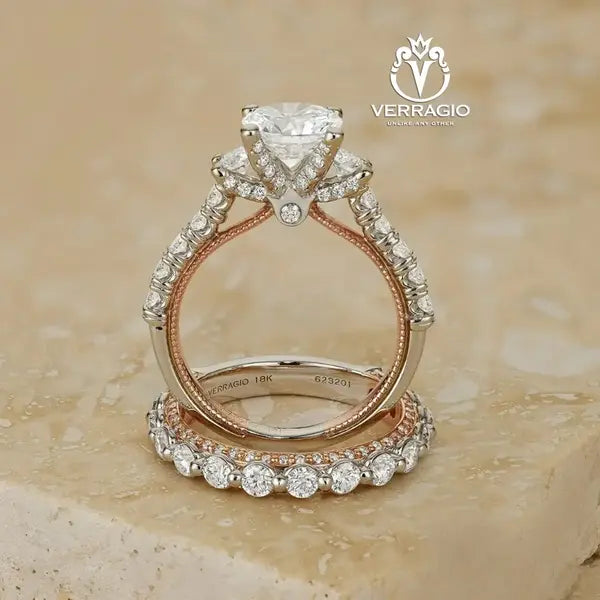
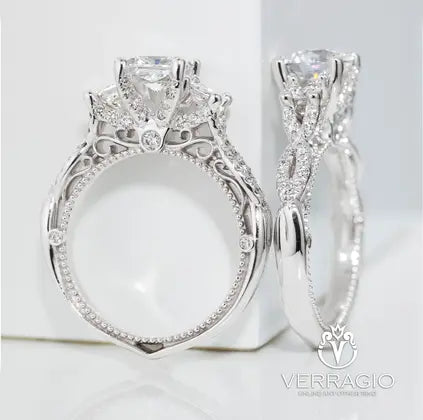
At Miro Jewelers, we take genuine pride in offering a carefully curated selection of diamonds and fine diamond jewelry to suit every style and budget. Whether you are searching for a classic round brilliant solitaire engagement ring, a stunning diamond tennis bracelet, or a pair of elegant diamond stud earrings, our collection has something worthy of every occasion.
All of our diamonds are sourced through responsible channels that comply with the Kimberley Process Certification Scheme, ensuring that each natural diamond we carry is conflict-free. We also work exclusively with trusted suppliers who uphold rigorous quality standards, so every piece you purchase from us reflects the best in craftsmanship and integrity.
Our experienced team is here to guide you through the selection process, explain GIA grading reports, and help you find a piece you will treasure for a lifetime. We offer both lab-grown and naturally mined diamonds so you can select the one that most closely matches your budget, tastes, and values.
Visit our Denver showroom or browse our online diamond collection today. We look forward to helping you find the perfect diamond piece to be cherished for generations to come.
Still Have Questions?
Do you have any more questions about "Are Diamonds Rare"? To get your questions answered, call us at +1-303-393-8881 or send us an email at info@mirojewelers.com. Our knowledgeable support staff is here to help you whenever you need assistance.


