
How Many Carats Should an Engagement Ring Be?
Choosing an engagement ring is one of the most significant decisions you'll ever make, and at Miro Jewelers, we've had the privilege of helping countless couples find the perfect symbol of their love. How many carats should the ring for the engagement be? is one of the first things people always ask us.
The answer is deeply personal, shaped by her style, your budget, and the story you want the ring to tell. This guide walks you through everything you need to know: what carat weight actually means, how size looks on the hand, which shapes and settings maximize impact, and how to make every dollar work harder without sacrificing beauty.
Key Takeaways:
-
Carat Weight vs. Cut: Carat is a weight unit, not a size; the cut of the diamond influences its brilliance and visual size, often more than carat weight alone.
-
Average Carat Size by Region: Engagement ring preferences vary globally, with the U.S. averaging 1.00–1.20 carats, while Europe and Japan tend to choose smaller stones.
-
How Carat Size Looks on the Hand: A diamond’s visual impact depends on finger size, hand shape, and setting height, not just the carat weight.
-
Diamond Shape Affects Perceived Size: Elongated shapes like oval and marquise often appear larger than round diamonds of the same carat weight.
-
Budgeting Tips for Carat Size: To maximize your budget, opt for a slightly smaller carat size, choose near-colorless diamonds, or consider lab-grown options for more value.
Table of contents
What Does the Word “Carat” Really Mean?
Carat is a weight unit, not a size unit. One carat is equal to 0.2 grams. This difference is important because two diamonds of the same carat weight can look very different depending on how they are cut. A well-proportioned cut pushes light through the stone in a way that makes it appear larger and more brilliant, while a poorly cut stone may look smaller and duller despite weighing more.
This is why our gemologists always look at carat weight and cut grade together. A 0.90-carat diamond with an Excellent cut will often outshine a 1.10-carat stone with a Good cut, and it will almost certainly cost less. The first step to obtaining true value is comprehending this relationship.
What Is the Average Carat Size People Choose?
Many clients find it helpful to understand what others typically choose not to copy the norm, but to calibrate their expectations. Here is a quick overview based on industry data from sources including The Knot's annual jewelry survey and GIA market research:
United States: The average center stone typically falls between 1.00 and 1.20 carats.
United Kingdom: Averages run closer to 0.60 to 0.80 carats, reflecting a preference for understated elegance.
Japan and parts of Europe: Center stones between 0.30 and 0.70 carats are common.
Australia and Canada: Averages generally fall between UK and US norms.
These figures give you a reference point, not a target. The right carat size is the one that feels balanced on her hand, aligns with how she lives, and works within a budget you feel good about.
How Does Carat Size Look on the Hand?
Numbers on a certificate can be misleading. The most important test is how a diamond looks on the finger, and that depends on more than weight alone.
Finger size plays a major role. A 1.00-carat round diamond can appear quite prominent on a size 4 finger and more understated on a size 7. Hand shape, skin tone, and even how actively someone uses their hands all influence the visual impact. This is why we always recommend trying on a range of sizes from 0.75 to 1.50 carats before making a decision.
Setting height matters too. A stone set higher on the band catches more light and feels more prominent; a bezel or lower-profile setting creates a more refined, modern look with the same carat weight.
Tip: If she has slender fingers, elongated shapes like oval or marquise will look especially striking and finger-flattering. If her fingers are wider, a round or cushion cut often balances beautifully.

Diamond Shape: The Secret to Looking Larger
Shape has a powerful effect on perceived size, often more than carat weight itself. Here is how the most popular shapes compare:
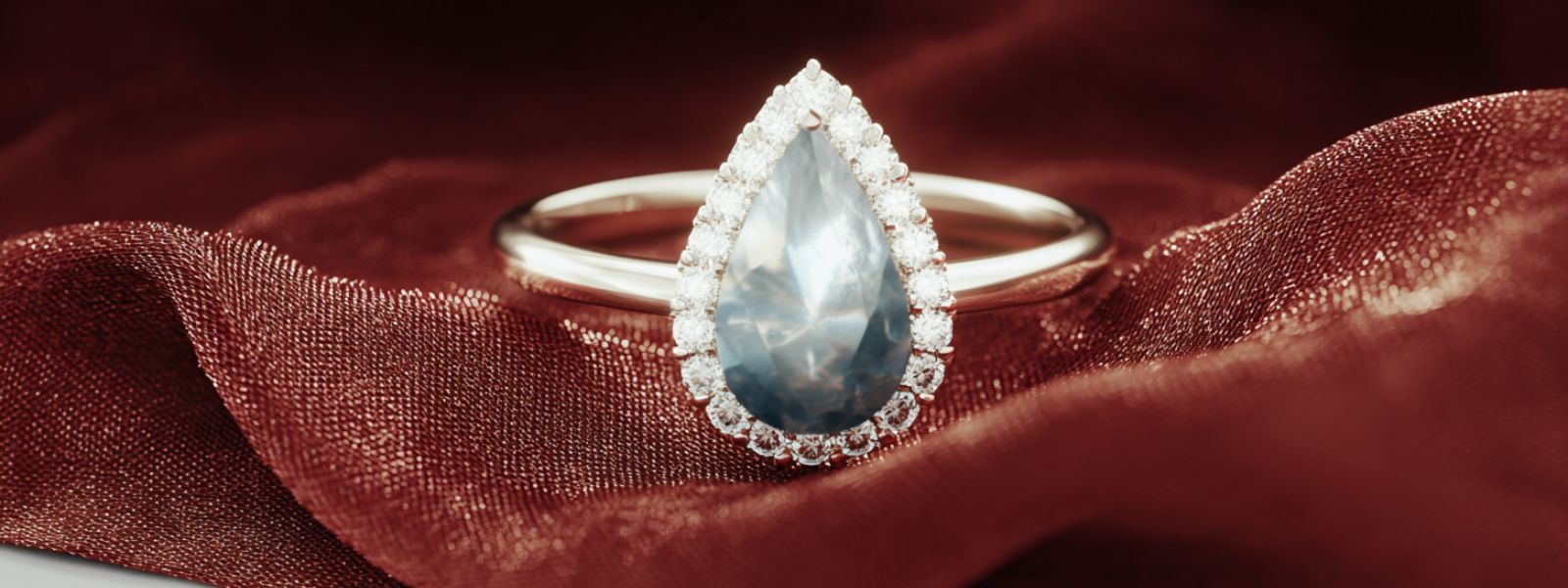
Oval, Marquise, and Pear: Compared to a round diamond of the same carat weight, these elongated cuts appear noticeably larger because they distribute weight over a greater surface area. A 1.00-carat oval often looks as large as a 1.20-carat round.
Round Brilliant: The classic choice. Exceptional sparkle draws the eye even at more modest carat weights. The most popular shape globally and consistently the benchmark for comparison.
Cushion and Radiant: Slightly more surface area than round, with a romantic, soft-edged look.
Emerald and Asscher: These step-cut shapes emphasize clarity and sophistication over sparkle. They look refined and architectural, ideal if she gravitates toward modern or vintage-inspired aesthetics.
When we help you compare shapes, we focus on how each one looks on her specific hand, not just the numbers on the certificate.
How Setting Style Changes Everything?
The setting is not just a frame; it actively shapes how large, bright, and substantial a diamond appears. A few key considerations:
Thin band (slim shank): Less metal competing for attention means the center stone looks more prominent. One of the easiest methods to increase perceived size.
Halo setting: A ring of smaller diamonds encircling the main stone increases the diamond's apparent diameter by at least one full millimeter. This enables you to achieve a larger overall appearance while selecting a slightly smaller center stone.
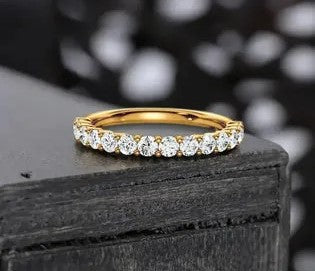
Pavé or micro-pavé band: Tiny diamonds along the band add sparkle and presence throughout, drawing the eye across the whole ring.
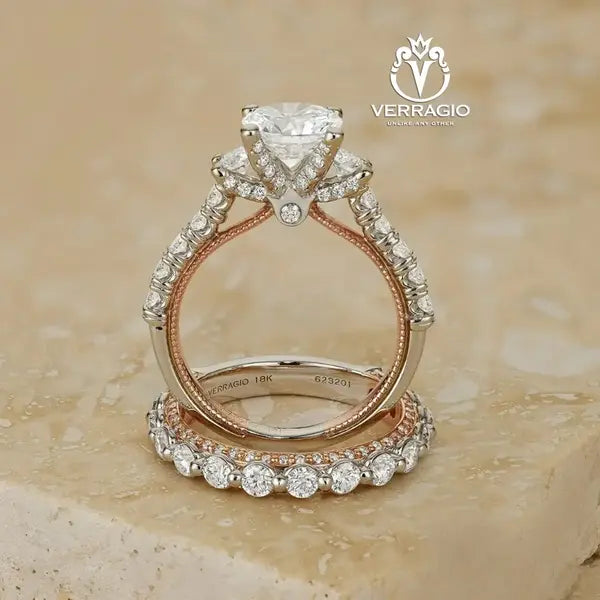
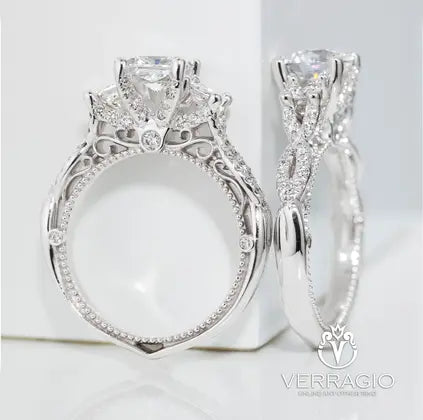
Three-stone design: Side stones add visual weight and meaning, often representing the past, present, and future.
Bezel setting: The metal envelops the diamond, protecting it while giving it a sleek, modern appearance. This tends to make the same carat weight appear more refined and lower-profile.
At Miro Jewelers, we offer custom design services, including sketches and 3D renderings, so you can see exactly how different settings and carat sizes work together before anything is made. This is one of our most valued services for clients who want complete confidence in their decision.
Carat Weight, Cut, Color & Clarity: The Full Picture
One of the four factors that determine a diamond's appearance and price is its carat. Here is how to think about them together:
Cut: The most crucial component of brilliance. A diamond with an excellent or ideal cut grade is proportioned to reflect light beautifully. Never give up on a cut.
Color: Diamonds are rated from D (no color) to Z (very yellow). In most settings, especially white gold or platinum grades in the G-I range, they look bright white to the naked eye and are a great deal compared to D-F.
Clarity: Most inclusions are invisible without magnification. An eye-clean VS2 or SI1 grade is often indistinguishable from a flawless stone in person at a fraction of the cost.
The practical takeaway: by choosing a G color and VS2 clarity diamond with an excellent cut, you can often step up to a larger carat weight or allocate savings toward a more elaborate setting compared to buying a D/FL stone of the same size.
Budgeting for Carat Size: What to Expect
Diamond pricing rises sharply at popular carat milestones 0.50, 1.00, 1.50, and 2.00 carats because these round numbers carry psychological value in the market. One of the best decisions a buyer can make is to choose slightly below a threshold.
For general context (prices differ according to market conditions, cut, color, and clarity):
0.75 – 0.90 carats: Strong visual impact at a more accessible price point. Perfect for people who desire visibility without paying a premium.
1.00 – 1.25 carats: The most popular range in the US. Visible, classic, and available at a wide range of price points depending on quality grades.
1.50 – 2.00 carats: A noticeable statement. Price jumps significantly at 1.50 and again at 2.00 carats.
2.00 carats or more: The price of these stones reflects their rarity. Lab-grown diamonds at this size offer a compelling alternative — see below.
We recommend setting a comfortable total budget for the entire ring's center stone plus setting and letting us show you the range of options that fit within it. Many couples are genuinely surprised by what is achievable.
Ready to explore your options? Browse our engagement rings online at Miro Jewelers or visit us in Denver to compare stones side by side.
Lab-Grown vs. Natural Diamonds: What Carat Gets You
This is one of the most common questions we hear, and it is worth addressing directly. Lab-grown diamonds are chemically, optically, and physically identical to mined diamonds; the only difference is their origin. They are graded by the same labs (GIA, IGI) using the same 4Cs standards.
Lab-grown diamonds usually cost between fifty and seventy percent less per carat than similar natural stones. That means a client with a budget for a 1.00-carat natural diamond could achieve a 1.50 or even 2.00-carat lab-grown stone with similar cut, color, and clarity grades.
The tradeoff is resale value: natural diamonds hold their market value more reliably over time. If the ring is meant primarily as a symbol of love and daily wear, not an investment, lab-grown is worth serious consideration. We carry both and are happy to show you side-by-side comparisons.
5 Smart Strategies to Maximize Your Budget
If you want your diamond to look impressive while staying within a specific range, these approaches consistently deliver the best results:
Go just below the carat milestones. Choose 0.90 instead of 1.00, or 1.40 instead of 1.50. The visual difference is negligible; the price difference is real.
Consider an elongated shape. Oval, pear, and marquise cuts appear larger than rounds of the same weight, often by a meaningful margin.
Choose near-colorless and eye-clean grades. G-I color and VS2-SI1 clarity look identical to higher grades once set, and free up budget for cut or carat.
Add a halo or pavé band. These settings amplify the look of your center stone without requiring a larger stone.
Explore lab-grown options. If carat size matters more than natural origin, lab-grown diamonds offer significantly more stone for the same investment.

Choosing the Right Carat for Her Lifestyle
The best engagement ring is one she will love wearing every single day. Carat size matters, but so does how the ring fits into her life.
If she works with her hands, exercises frequently, or spends time outdoors, a lower-profile setting with a slightly smaller center stone may be more practical, and she will wear it with more confidence. If she loves bold jewelry and gravitates toward statement pieces, a larger center stone or more elaborate setting will feel like an extension of her style.
Pay attention to the jewelry she already wears. A simple gold chain and small stud earrings suggest she values refinement; layered necklaces and cocktail rings suggest she welcomes drama. Her current jewelry is one of the best guides you have.
Tip: If you're unsure, choose a versatile solitaire in the 1.00–1.25 carat range. It reads as intentional and classic across virtually every style preference.
Questions to Ask Before You Decide
Before finalizing a carat size, work through these questions. They will help us guide you to the best choice:
How important is size compared to sparkle and overall quality?
What styles has she saved in photos, on social media, or in storefronts?
Does she prefer subtle jewelry or pieces that stand out?
What is my total comfortable budget for the ring, including the setting?
How will this ring fit into her daily life, work, and activities?
Does natural diamond origin matter to her, or is lab-grown a real option?
Final Thoughts
There is no single correct answer to how many carats an engagement ring should have. The right number is the one that feels beautiful on her hand, reflects who she is, and represents your relationship, not a statistic or a benchmark.
What we can tell you with confidence is that with the right combination of cut, shape, setting, and quality grades, almost any budget can produce a ring that looks genuinely stunning. Our job is to show you how.
At Miro Jewelers, we specialize in helping you find that combination, whether you're starting with a number in mind or starting from scratch. Every client leaves knowing they made an informed, confident decision.