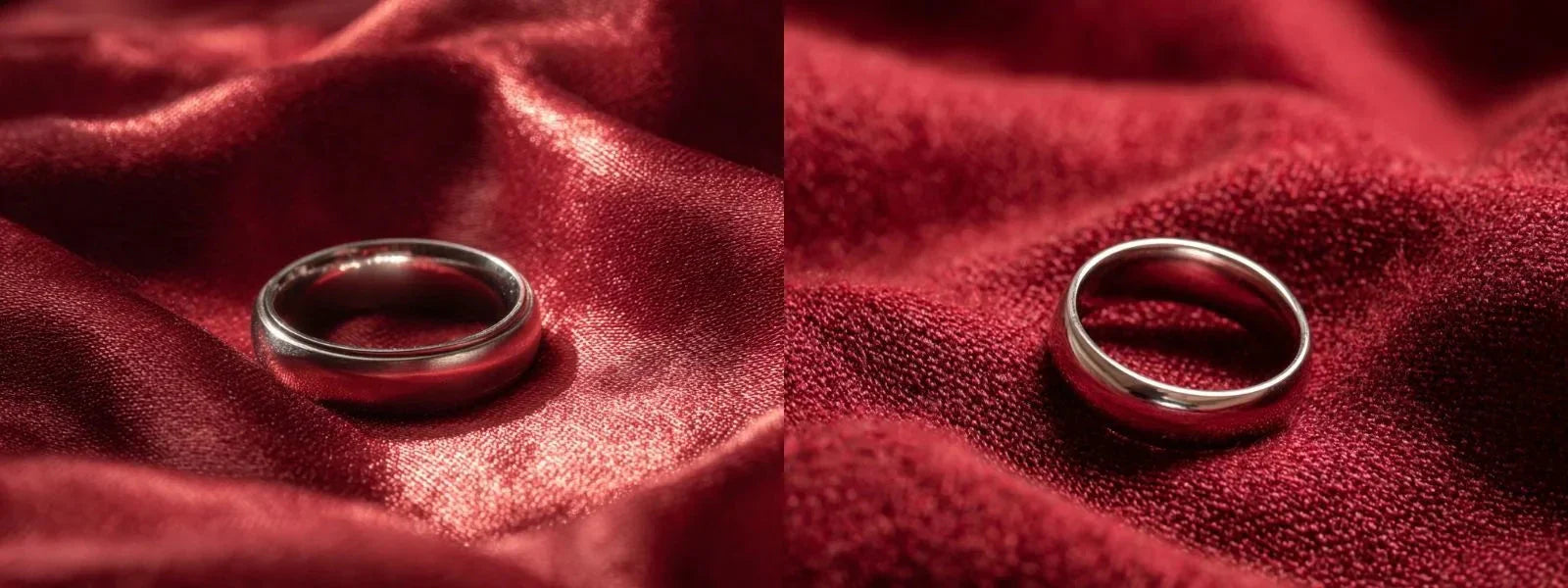
White Gold Vs. Platinum: What’s the Real Difference?
If you’ve been shopping for fine jewelry lately, you’ve probably heard the white gold vs. platinum debate more than once. Whether you’re choosing an engagement ring, upgrading a favorite necklace, or marking a special milestone, the question always comes up: Which metal is right for me?
At Miro Jewelers, this is a conversation we have every day. Couples come in excited but undecided—one drawn to the cool, substantial feel of platinum, the other loving the bright, classic glow of white gold. And honestly? Both are beautiful choices. The real difference goes deeper than just shine, so let’s break it down in a way that actually helps.
Table of contents
White Gold Vs. Platinum: What Are They Made Of?
At first glance, white gold and platinum can look very similar, but they’re quite different beneath the surface.
White gold starts as pure yellow gold and is mixed with white metals like palladium or silver to create its lighter color. To give it that bright, mirror-like finish most people love, it’s coated with rhodium. That ultra-shiny, reflective look you see under jewelry store lights? That’s the rhodium doing its job.
Platinum, on the other hand, is naturally white. It’s typically about 95% pure, making it one of the purest metals used in fine jewelry. There’s no plating involved—what you see is what you get, now and years from now.
Think of it this way: white gold gets its color through craftsmanship, while platinum is born that way.
Caring for White Gold and Platinum
Both metals are made to last, but they age differently—and that’s part of their charm.
Over time, white gold may lose a bit of its brightness as the rhodium plating gradually wears down. The good news? A quick re-plating restores that fresh, bright look. It’s a simple maintenance step that keeps white gold looking brand new.
Platinum doesn’t fade. Instead, it develops a soft patina—a subtle, matte finish that many people love because it shows the ring has been worn, loved, and lived in. Some clients even prefer this look because it feels timeless and personal.
With either metal, basic care goes a long way: gentle cleaning, proper storage, and avoiding harsh chemicals.
Durability: Which One Lasts Longer?
This is one of the most common questions we hear.
Both white gold and platinum are durable, but platinum is denser and heavier, which helps it hold gemstones especially securely. That’s why platinum is often the go-to choice for engagement rings and heirloom pieces.
White gold is also very strong, but as it picks up fine scratches, the rhodium layer can wear down and reveal a slightly warmer tone underneath. That doesn’t mean it’s wearing out—it just needs occasional maintenance.
White gold does have an advantage in flexibility. It’s easier to work with, which allows for more intricate designs and fine detailing. When cared for properly, both metals can last for generations.
Your lifestyle matters here. If you like a heavier ring that develops character over time, platinum may be perfect. If you love a bright white look and lighter feel, white gold is a great choice.

Is White Gold Hypoallergenic?
This is an important question, especially for sensitive skin.
Some white gold alloys contain nickel, which can cause irritation for certain people—especially if the rhodium plating wears down. However, at Miro Jewelers, we use nickel-free white gold, making it much more skin-friendly.
Platinum is naturally hypoallergenic due to its purity, making it an excellent option for anyone with sensitive skin.
If white gold is calling your name, don’t worry—just talk to us about alloy options, and we’ll help you choose something comfortable and safe.
White Gold vs. Platinum: Cost Differences
Let’s talk budget.
Platinum typically costs more because it’s rarer, heavier, and purer. You’re paying for density, durability, and long-term value.
White gold offers a more budget-friendly way to achieve a similar high-end look. It’s also lighter, which many people prefer for earrings, necklaces, or delicate rings.
We like to say platinum is an investment in permanence, while white gold is an investment in versatility. Neither is better—it just depends on your priorities.

Final Thoughts: White Gold or Platinum?
There’s no wrong answer here—only what feels right for you.
Choose platinum if you love a naturally white metal, a heavier feel, and a ring that develops character over time.
Choose white gold if you prefer a bright, polished look, lighter weight, and more flexibility in design and budget.
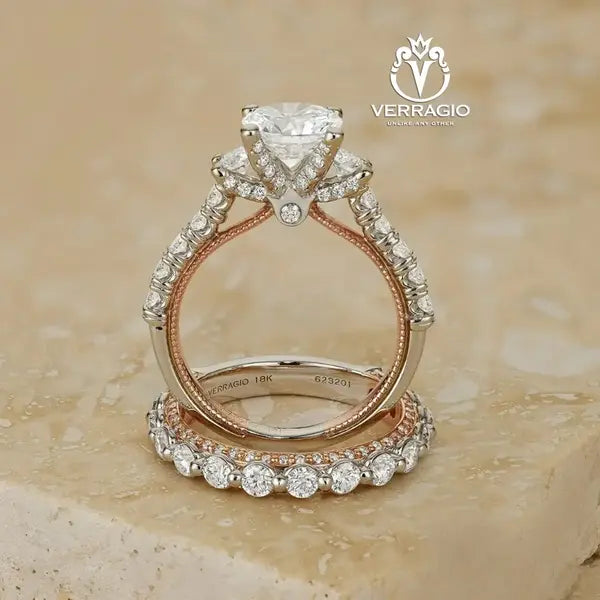
And yes, mixing metals is absolutely an option. We often see platinum engagement rings paired with white gold wedding bands—and the result is stunning.
At Miro Jewelers, we believe jewelry is about connection, meaning, and personal expression. Whatever metal you choose, what matters most is how it feels every time you wear it.
Still have questions about white gold or platinum? Call us at +1-303-393-8881 or email info@mirojewelers.com. Our team is always happy to help you find the metal that truly matches your story.