

Natural Diamonds
Every natural diamond spent somewhere between one and three billion years forming deep under the Earth's surface, squeezed by heat and pressure you can't really wrap your head around. What comes out is totally one of a kind. It can't be copied, and nothing made in a lab quite matches it. At Miro Jewelers, our in-house gemologists hand-pick every diamond we carry, and we send each one to the Gemological Institute of America to be graded and verified. When you buy a natural diamond from us, you're choosing something the Earth spent billions of years making. When couples and collectors shop with us, they know every stone has been picked by hand and checked by someone other than us.
Shop Natural Diamond Jewelry
We've organized everything by category, so you can find what you're after, or let one of our gemologists point you toward something you didn't even know you wanted.
-
Rings
-
Earrings
-
Necklaces
-
Bracelets
-
Loose Diamonds
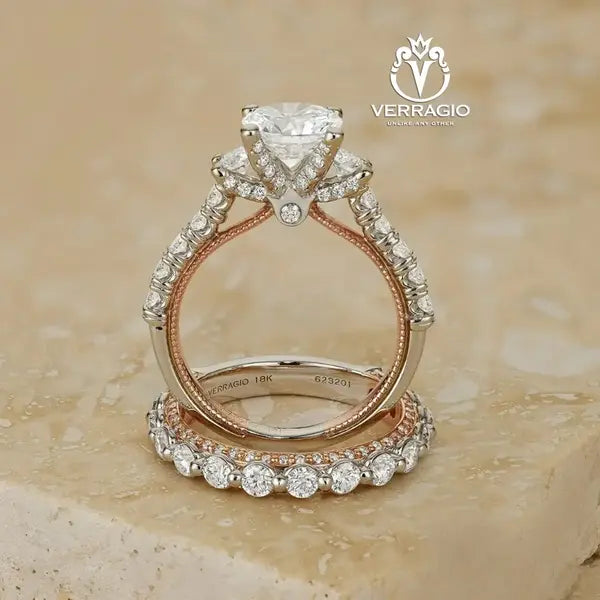
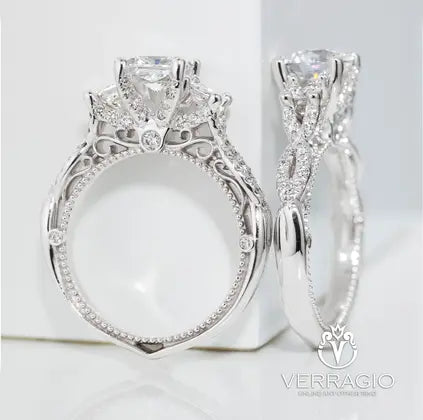
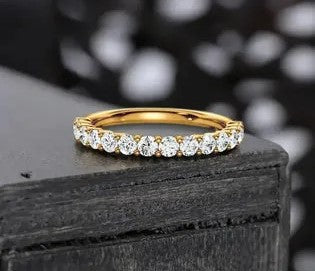
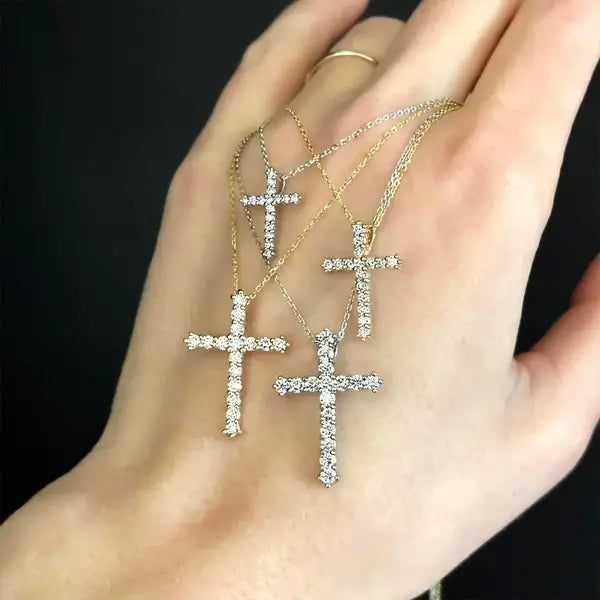
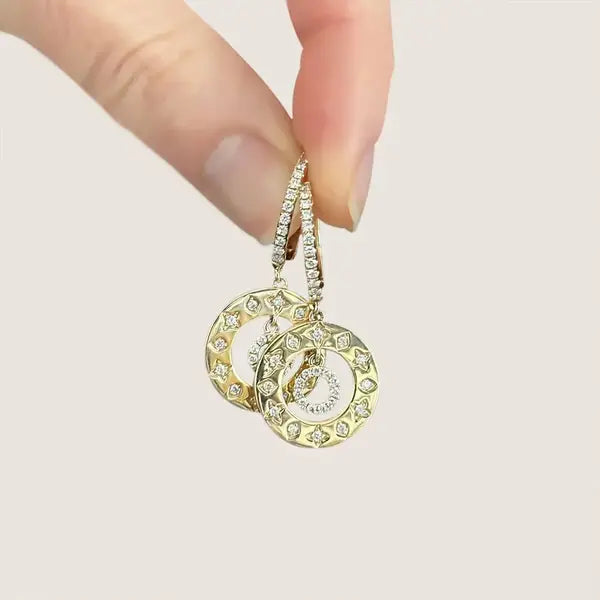
Natural diamond rings: from classic solitaires to intricate halo designs. Natural diamond earrings: studs, hoops, and drops in every carat weight. Natural diamond necklace styles: pendants, tennis chains, and custom drops. Natural diamond bracelet designs: tennis, bangle, and station styles. Loose natural diamonds: GIA certified, sorted by shape, carat, and grade.
What Makes a Diamond Natural?
Natural diamonds start out as carbon atoms crystallizing deep in the Earth's mantle, under about 725,000 pounds of pressure per square inch and temperatures north of 2,000°F. The whole process takes one to three billion years. What you end up with is one of the rarest and hardest materials nature has ever made.
According to the Natural Diamond Council, all of the gem-quality natural diamonds one carat and larger recovered globally in a given year could fit inside a single exercise ball. That scarcity is real, and it's only getting tighter with every decade that passes.
Natural and lab-grown diamonds are the same thing chemically. Both are pure carbon crystals that shine the same way. The only real difference is where they come from. Natural diamonds are a piece of Earth's own history, and once they're gone, that's it. You can't just make more. Each natural diamond also has its own fingerprint inside: little inclusions, growth patterns, and quirks that took billions of years to form. No two are alike. Whether you're picking out a GIA-certified stone for a ring or a pendant for a necklace, every diamond we carry tells that same one-of-a-kind story. Learn more about natural vs lab-grown diamonds in the comparison section below.
Getting to Know the Four Cs of Natural Diamonds
The four Cs, cut, color, clarity, and carat, are basically the shared language everyone in the diamond world uses to talk about quality. The GIA came up with this system, and it lets our gemologists tell you exactly what you're looking at so you can buy with confidence. Here's what each of the 4Cs means in practice.
Cut: The Most Important C
Cut is the biggest thing that makes a diamond beautiful. It controls how the stone plays with light: the white flashes (brilliance), the rainbow flashes (fire), and the twinkle you see as it moves (scintillation). GIA grades round brilliants from "Excellent" down to "Poor." If you want maximum sparkle in an engagement ring, stick with Excellent or Very Good. For fancy shapes like oval, pear, cushion, and marquise, GIA doesn't hand out a cut grade. Instead, they look at symmetry, proportions, and how the stone actually performs when you see it in person or under magnification.
Color: From Near-Colorless to Colorless
GIA grades color on a scale from D (totally colorless) to Z (light yellow or brown). D, E, and F are the colorless grades and the rarest of the bunch. G through J are the near-colorless sweet spot. They look gorgeous and cost a lot less. A practical tip: H through J natural diamonds look stunning when set in yellow or rose gold, as the warm metal tone complements the stone's subtle warmth beautifully.
Clarity: Nature's Fingerprint
Clarity is about what's going on inside the stone (inclusions) and on its surface (blemishes). GIA's clarity scale runs from I3 (Heavily Included) all the way up to FL (Flawless). For the sweet spot between beauty and value, VS1, VS2, and SI1 are fantastic picks. You won't see the inclusions without a loupe. And instead of thinking of inclusions as flaws, think of them for what they are: a little record of how your stone came to be.
Carat: Size and Rarity
We measure diamond weight in carats, and one carat equals 200 milligrams. Prices jump quickly as carat weight goes up, because bigger diamonds are way rarer than smaller ones. A smart buying approach: consider stones just below common carat milestones. A 0.90-carat diamond looks almost exactly like a 1.00-carat diamond to the naked eye, but it usually costs noticeably less. Book a consultation and our gemologists will walk you through the best options for your budget.
Natural Diamond Shapes
You can cut a natural diamond into all kinds of shapes, and each one has its own personality, look, and way of catching light. Natural diamond rings are available in every one of these shapes, from round brilliants to sculptural marquise cuts. Picking a shape is a really personal thing, so here's a quick rundown of the most popular options we carry.
|
Shape |
Character |
|
Round Brilliant |
The most popular shape worldwide, it maximizes sparkle and light return above all others. |
|
Oval |
Makes the finger look longer; it's one of the most-requested engagement ring shapes right now. |
|
Cushion |
Soft, rounded corners with a vintage warmth that pairs beautifully with halo and pave settings. |
|
Emerald |
A sophisticated step-cut shape with a hall-of-mirrors depth effect, bold and architectural. |
|
Pear |
A teardrop silhouette that is both romantic and flattering on the hand. |
|
Princess |
A square shape with strong brilliance, a modern classic for natural diamond rings. |
|
Radiant |
Combines the elegance of the emerald cut with the brilliance of a round and is exceptionally versatile. |
|
Asscher |
A vintage-inspired square step cut with deep, hypnotic facets. |
|
Marquise |
An elongated, pointed shape that maximizes visual size per carat weight. |
|
Heart |
A bold and romantic choice for those who want their natural diamond jewelry to make an unmistakable statement. |
Not sure which shape suits your partner's style? Book a consultation with our gemologists, in-store at our Denver, Colorado studio, or virtually from anywhere in the country.
Natural Diamonds Vs Lab-Grown Diamonds
This is one of the most common questions we get, and it deserves a straight answer. Both are real diamonds. They share the same chemical composition (pure carbon crystal), the same physical properties, and the same optical brilliance. You can't tell them apart by looking. It takes specialized equipment.
The difference is where they come from. Natural diamonds took billions of years to form inside the Earth, and there are fewer gem-quality ones being pulled out of the ground every year. Lab-grown diamonds are made in a controlled setting in a few weeks, and there's no real limit to how many we can produce.
On price: lab-grown diamonds usually cost 30 to 50 percent less up front. Natural diamonds have historically held their value (and sometimes gone up) on the resale market, while lab-grown resale values have dropped as they've gotten cheaper to make. On the emotional side: for a lot of people, knowing their diamond took billions of years to form is a meaningful part of what they're giving or receiving.
We carry both natural and lab-grown at Miro Jewelers, and our team will help you figure out what's right for you. Browse our lab-grown diamond collection to compare options side by side.
Why Shop Natural Diamonds at Miro Jewelers?
When you buy a natural diamond from Miro Jewelers, you're working with a team that's built its reputation on being upfront, knowing our stuff, and actually caring how things turn out. From rings to earrings, every piece in our collection meets the same high bar. Here's what sets us apart.
GIA Certified Natural Diamonds
Every diamond in our inventory is graded one at a time by GIA, so you know exactly what you're getting before you commit.
Ethically Sourced Natural Diamonds
All our diamonds follow the Kimberley Process Certification Scheme. Conflict-free sourcing isn't something we treat as optional. It's the baseline for every stone we carry.
Expert Gemologists
Our in-house gemologists are here for one-on-one help, either at our Denver studio or over video. Whether you're picking a loose diamond for a custom setting or choosing something already made, we'll walk you through it.
Custom Design Services
Pick your diamond, and we'll build a completely original setting around it. We handle the whole custom process, from the first sketch to the 3D CAD render to the finished piece made by our master artisans.
Lifetime Warranty
Every piece of diamond jewelry from Miro Jewelers comes with our lifetime care program: free cleaning, prong checks, and resizing, for as long as you own it.
Free Insured Shipping
We ship all our natural diamond jewelry fully insured and tracked, at no charge to you.
Frequently Asked Questions About Natural Diamonds
What Is a Natural Diamond?
A natural diamond is a gemstone that formed one to three billion years ago, deep in the Earth. They're one of the rarest materials the planet makes, and the hardest natural substance we know of: just pure carbon atoms locked into a crystal lattice.
Are Natural Diamonds Better Than Lab-Grown Diamonds?
There's no one right answer. Both are real diamonds, chemically and physically. Natural diamonds give you rarity, a story that goes back billions of years, and historically better resale value. Lab-grown diamonds give you the same look for less money. The best pick comes down to what matters to you, and our gemologists will talk you through both sides honestly.
How Can I Tell If a Diamond Is Lab-Grown or Natural?
You can't tell just by looking. They look identical to the naked eye and even under a standard jeweler's loupe. Telling them apart takes specialized equipment, specifically, spectroscopic testing. Every GIA-certified natural diamond we sell comes with a grading report that spells it out clearly.
Why Does a GIA Certificate Matter, and What's In It?
A GIA certificate is an independent grading report from the Gemological Institute of America. It spells out the diamond's exact 4Cs: cut, color, clarity, and carat weight, plus its measurements, fluorescence, and anything else worth noting. It's the most trustworthy way to verify what you're buying, and it protects your investment.
Which Diamond Shape Is Most Popular for Engagement Rings?
Round brilliant is the most popular by a long shot. It makes up the majority of engagement ring sales worldwide. Oval is the fastest-growing shape right now. At the end of the day, the best shape is the one that fits your partner's style, and our gemologists can help you narrow it down.
For a Natural Diamond, How Much Should I Spend?
There's no magic number. Spend what feels meaningful and fits comfortably into your life. Our team will show you the best options within your budget, lay out the trade-offs honestly, and never push you to spend more. We work with budgets of every size.
Do Natural Diamonds Hold Their Value Over Time?
Yes. Historically, natural diamonds have held, and often gone up in, value, especially GIA-certified stones of one carat or more. They tend to hold resale value better than lab-grown diamonds, which have gotten a lot cheaper to produce. That said, think of any diamond as a keepsake first and an investment second.
Ready to Find Your Natural Diamond?
Whether you're ready to buy today or just starting to look around, our team is here to keep things clear, personal, and totally pressure-free. You can see any GIA-certified diamond in our collection in person at the store, or go through it with one of our gemologists over video. Here's how to take the next step.
-
Book a consultation with our diamond gemologists, in-store at our Denver, Colorado studio, or virtually, from anywhere in the country.
-
Browse our full natural diamond jewelry collection, filtered by shape, carat, cut, color, clarity, and price: natural diamond rings, natural diamond earrings, natural diamond necklace styles, and natural diamond bracelet designs.
-
Design a custom natural diamond ring: bring your chosen stone to our custom design service, and we'll build the setting around it.
-
Compare natural vs lab-grown diamonds side by side; browse our lab-grown diamond collection for a full comparison.