

Article: Hidden Halo vs. Halo: Which Engagement Ring Setting Fits You?
Hidden Halo vs. Halo: Which Engagement Ring Setting Fits You?
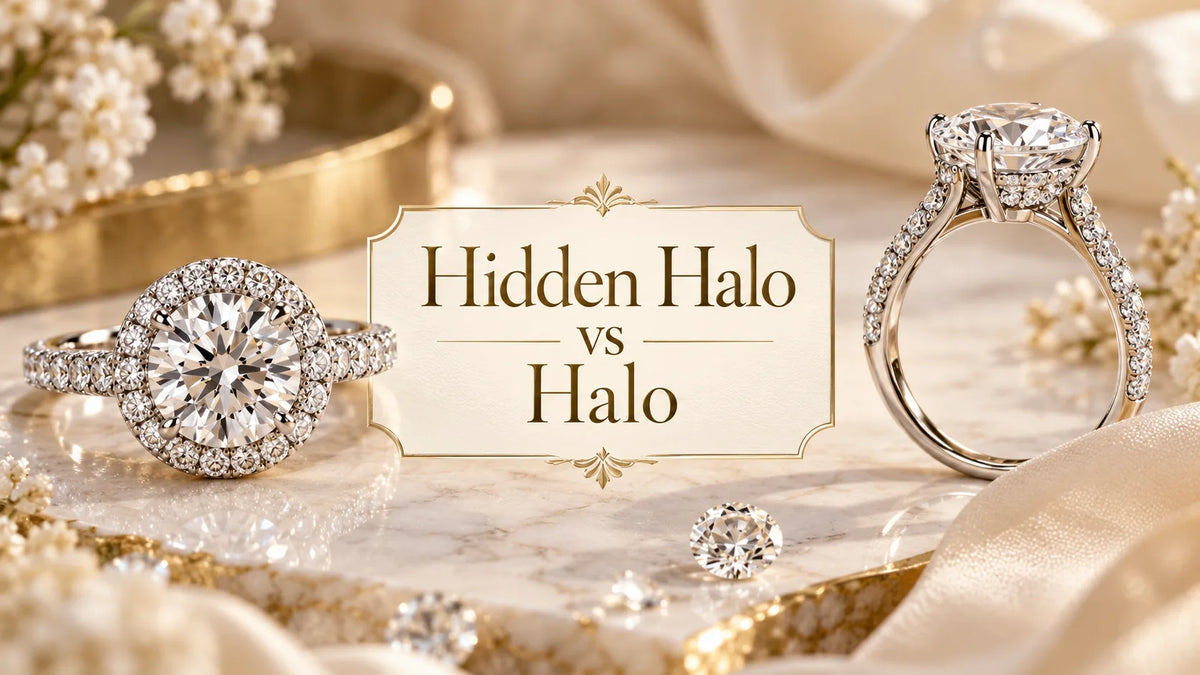
If you're weighing hidden halo vs. halo, start with where the small accent diamonds sit. A halo sets a ring of small diamonds around the center stone, so you see it from the top and the stone looks bigger. A hidden halo tucks that ring of diamonds underneath the center stone, so the top looks like a clean solitaire and the sparkle shows from the side.
Choose a halo for maximum size and shine. Choose a hidden halo for a sleek look that pairs more easily with a straight wedding band.
Explore Our Collections
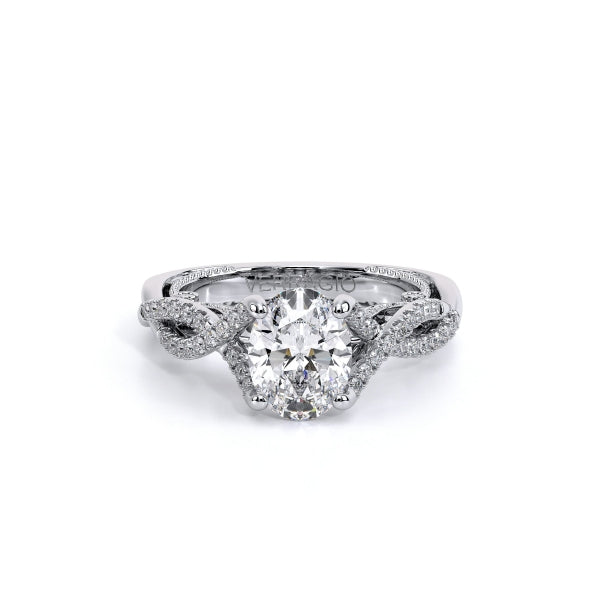
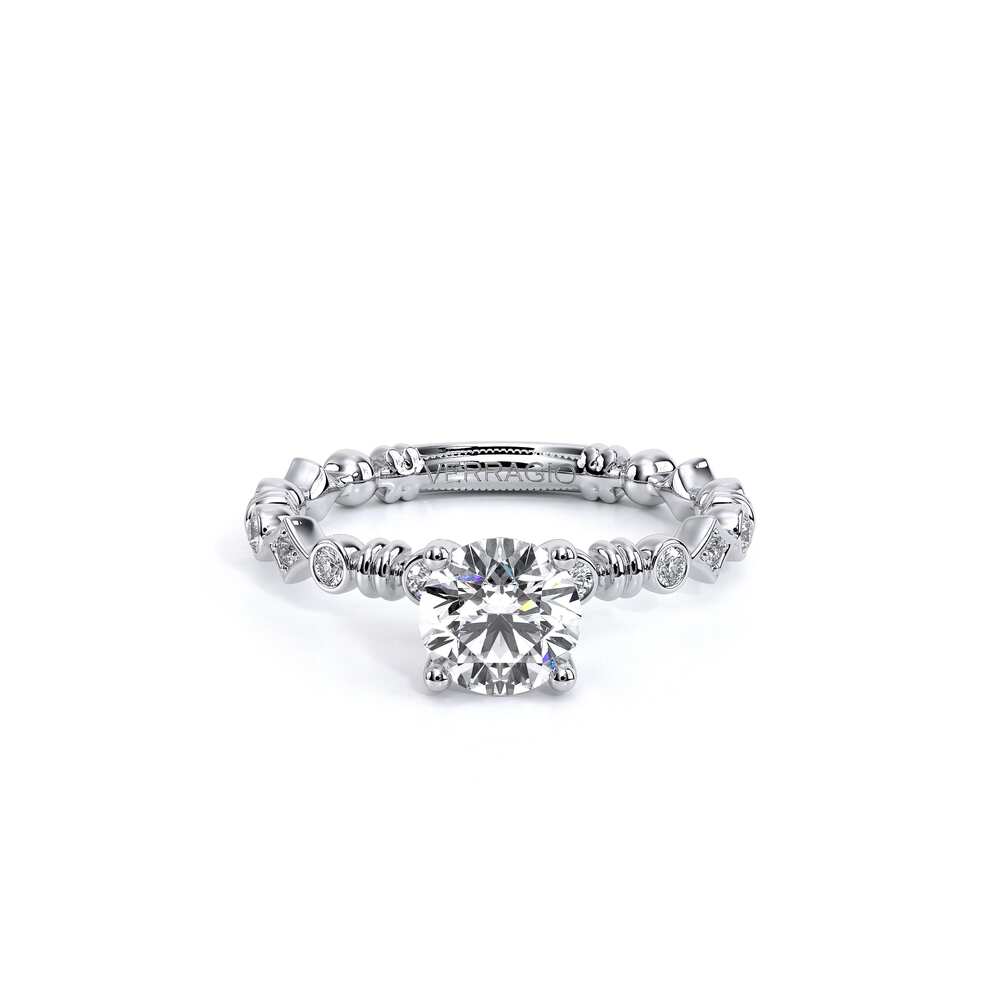
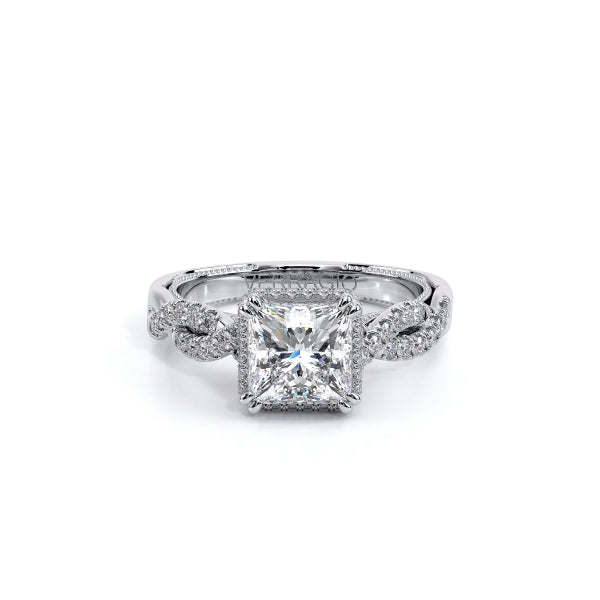
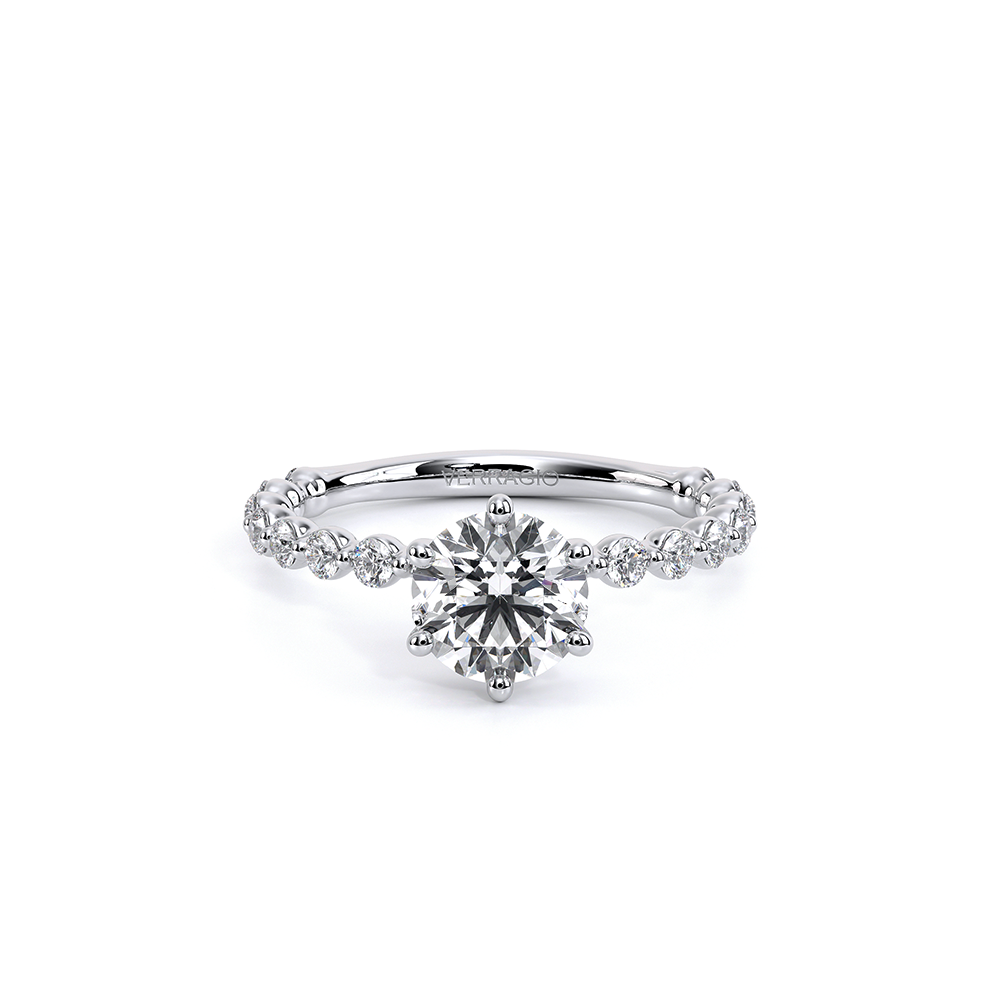
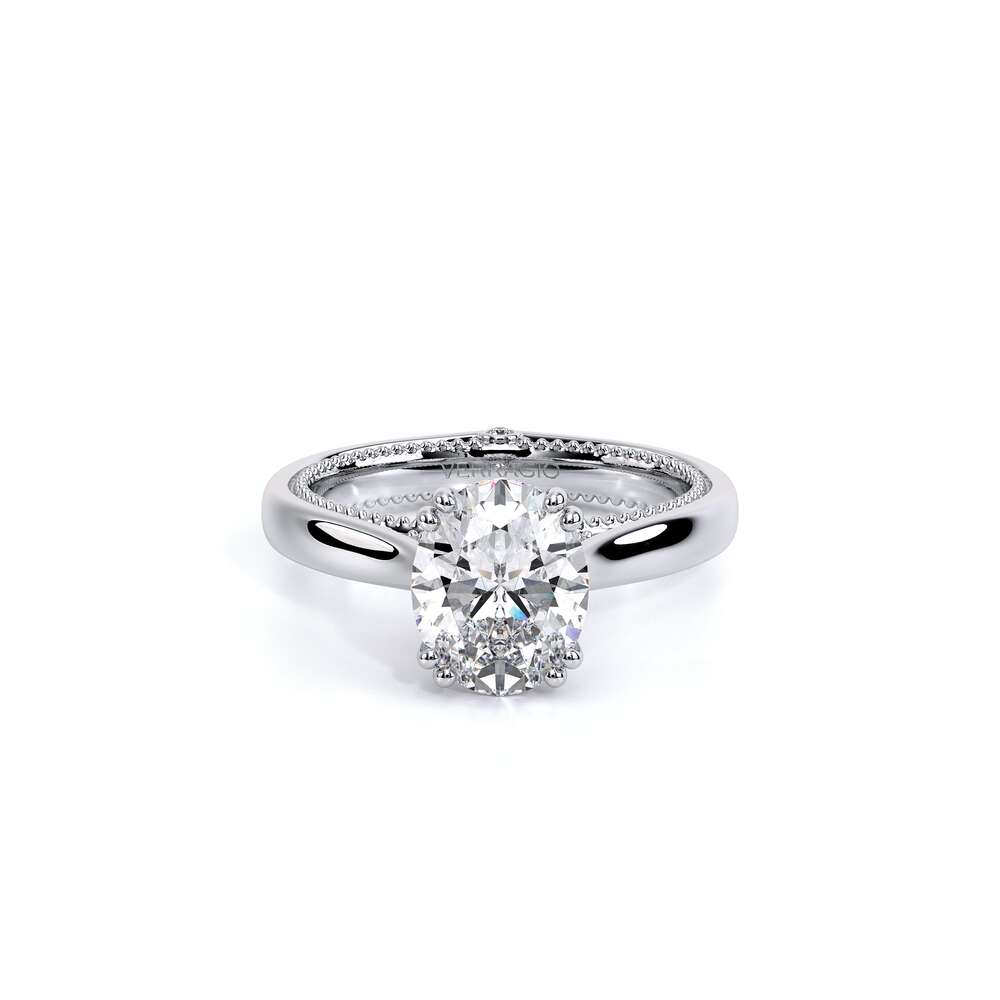
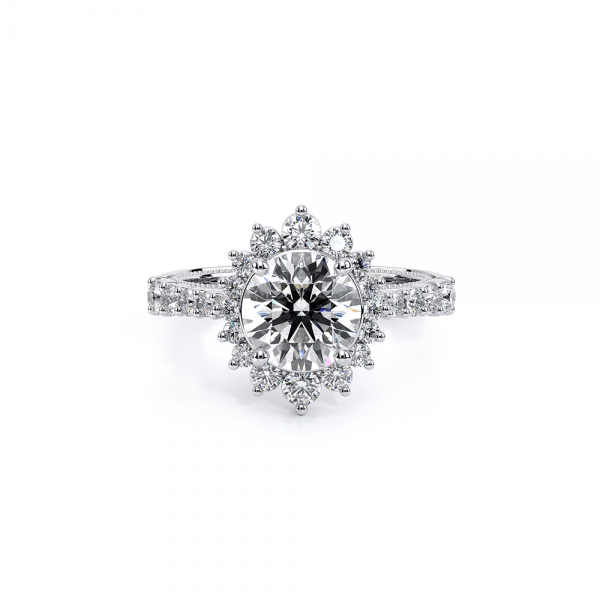
Table of contents
What's the Difference between Halo vs. Hidden Halo Rings?
Both halo and hidden halo rings use small accent diamonds to add sparkle to a center stone. The difference between a hidden halo and a traditional halo engagement ring is where those diamonds sit, around the stone or underneath it. Placement decides what you see from each angle and whether a straight wedding band can sit flush.

Feature |
Halo |
Hidden halo |
Where the accent diamonds sit |
Around the center stone, on top |
Under the center stone, around the base |
View from above |
A sparkling frame |
Looks like a solitaire. |
View from the side |
The outer edge of the frame |
A hidden row of diamonds |
Effect on stone size |
Looks noticeably larger |
Looks like its true size from above |
Straight wedding band |
Often needs a curved band |
Usually sits flush |
Snag risk |
Higher |
Lower |
Cost in a similar design |
Higher |
Lower |
Style |
Glamorous, vintage |
Modern, minimal |
What Is a Halo Ring?
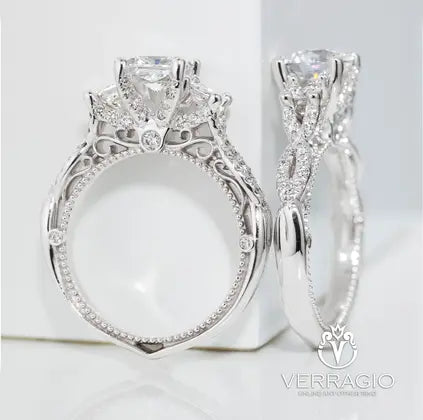
A halo ring, or halo setting, has a frame of small diamonds set right around the center stone. From above, the frame is the first thing you see.
The main benefit is size. A 1-carat round diamond measures about 6.5 mm across. With a halo, the top of the ring can measure about 9 mm, depending on the size of the accent stones.
Halos have been around for centuries and had a big revival in the Art Deco era. Popular versions include:
Single halo: one row of diamonds around the center stone
Double halo: two rows for even more size and sparkle
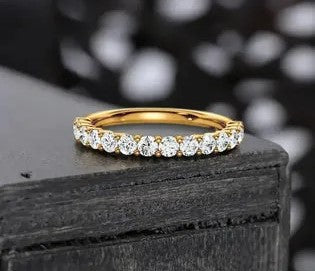
Halo with a pavé band: diamonds that continue down the band
Vintage halo: milgrain or floral details for an antique look
What Is a Hidden Halo Ring?
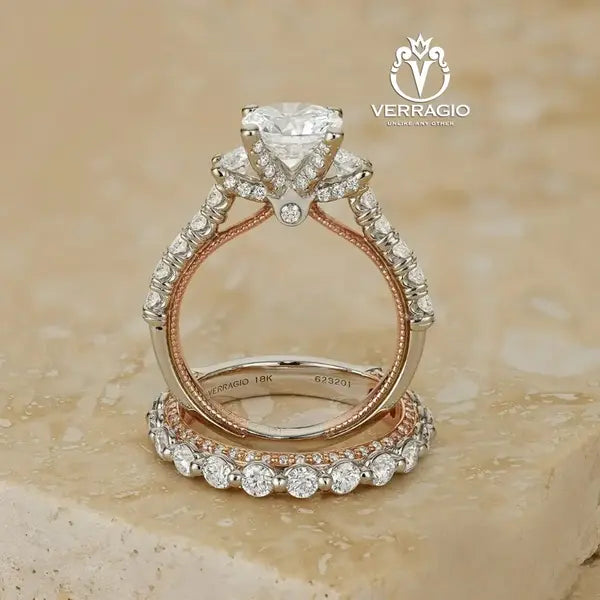
A hidden halo ring has a row of small diamonds set beneath the center stone, around the basket that holds it. You may also hear it called a secret halo, an under halo, or an invisible halo.
From the top, it looks like a classic solitaire. Tilt your hand, and the hidden diamonds show from the side. Other people usually notice them only up close.
Common types of hidden halos include:
Single hidden halo: one row of diamonds under the stone
Double hidden halo: two stacked rows for more side sparkle
Hidden halo with a pavé band: side sparkle that flows into a diamond band
Halo plus hidden halo: a visible frame on top and a second row below
A hidden halo works with nearly every diamond shape. It suits emerald cuts well, since the diamonds stay out of view from the top and don't crowd the step-cut lines.
Halo vs. Hidden Halo: Clearing Up the Mixed Advice
Popular guides give opposite answers on cost, size, cleaning, and band fit. Most of that disagreement clears up once you look at how each setting is built.
Which One Costs More?
In a similar design, a hidden halo usually costs less than a full halo because it uses fewer accent diamonds. It does cost more than a plain solitaire. A designer setting with a pavé band can still cost more than a simpler halo, so compare prices ring by ring.
Does a Hidden Halo Make the Diamond Look Bigger?
From the top, no. The outline stays the same as a solitaire. At an angle, the extra sparkle around the base can make the stone feel a little fuller. If size from above is your goal, choose a halo.
Which Is Easier to Keep Clean?
Each one gets dirty in its own way. A halo has more tiny prongs on the outside, so it can catch on sweaters and collect lint. A hidden halo hides grime where you can't see it. Lotion and soap build up under the center stone and dull its sparkle.
A soft toothbrush and warm, soapy water work for both. Just brush under the stone, not only across the top.
Which One Sits Flush With a Wedding Band?
Most hidden halo settings let a straight band sit right against them, since the diamonds tuck under the stone. A halo's wider frame often sits low over the band. That usually calls for a curved or notched band.
A hidden halo can also lift the center stone a little higher, so look at the ring from the side with a band before you decide.
Does a Hidden Halo Protect the Diamond?
Not really. The prongs hold your center stone, and a hidden halo is there for beauty. A traditional halo does place metal and small diamonds around the stone's edge, which can take some bumps. It also adds more small prongs to check.
Hidden Halo vs. No Halo

Many couples end up comparing a hidden halo with a plain solitaire instead.
From the top, the two look almost the same. The difference shows from the side. A hidden halo adds a ring of sparkle under the stone, while a solitaire shows clean metal or open prongs.
If you love the solitaire look but want a little secret detail, a hidden halo is worth it. If you want the simplest profile possible, take a look at our solitaire settings.
How to Choose Between Halo vs. Hidden Halo

A halo may suit you if you:
Want the center stone to look as large as possible
Love a glamorous or vintage style
Don't mind wearing a curved wedding band
Want sparkle people notice from across the room.
A hidden halo may suit you if you:
Love the clean look of a solitaire
Want a straight wedding band to sit flush
Prefer a modern, low-key style
Use your hands a lot and want fewer stones on the outer edge
Your diamond shape matters too. Round, oval, and cushion stones look great in either setting. A large or low-set oval can still crowd a straight band, so plan your ring and band together.
See Both Styles in Person
Photos rarely show a ring's side view well. The halo vs. hidden halo decision gets much easier once a ring is on your finger and you can tilt it in the light.
At our Centennial showroom, you can try both styles side by side. We carry Verragio designs in both looks. You can also browse our halo engagement rings and hidden halo engagement rings online first, or explore all of our engagement rings. If nothing feels quite right, we can design a custom ring with a halo, a hidden halo, or both.
Every piece we sell is inspected under 30x magnification before it leaves our store. Our lifetime warranty includes free cleaning and inspection. To keep it active, we ask you to bring your ring in every six months. Regular checks matter for both styles because small prongs can loosen over time.
Frequently Asked Questions
Is a Hidden Halo More Expensive Than a Halo?
Usually not. A hidden halo uses fewer accent diamonds, so it costs less than a full halo in a similar design. It still costs more than a plain solitaire.
Does a Hidden Halo Make Your Ring Look Bigger?
Not from the top. It adds sparkle from the side, which can make the stone look a bit fuller at an angle. A traditional halo is the better pick for top-down size.
What Are the Disadvantages of a Hidden Halo?
It adds little size from above, it can raise the stone slightly, and grime can build up underneath where you can't see it.
Can You Add a Hidden Halo to an Existing Ring?
Sometimes. It usually means replacing the head, the part of the ring that holds your stone. Our bench jewelers can look at your setting and tell you if it's a good fit.
What’s the Difference Between a Hidden Halo and a Gallery Rail?
They sit in the same spot under the stone. A gallery rail is a plain band of metal. A hidden halo is the same band set with small diamonds.
Are Halo Rings Out of Style?
No. Halos have stayed popular for generations, and the hidden halo is a newer variation on the same idea.
The Bottom Line
If top-down size matters most in your halo vs. hidden halo choice, pick a halo. If you want a solitaire look from above and an easier match with a straight band, pick a hidden halo. Visit us in Centennial at 6750 S Emporia St, or call 303-393-8881, and we'll help you compare both.