Article: Radiant Cut vs Cushion Cut: Which Diamond Shape Is Best?
Radiant Cut vs Cushion Cut: Which Diamond Shape Is Best?
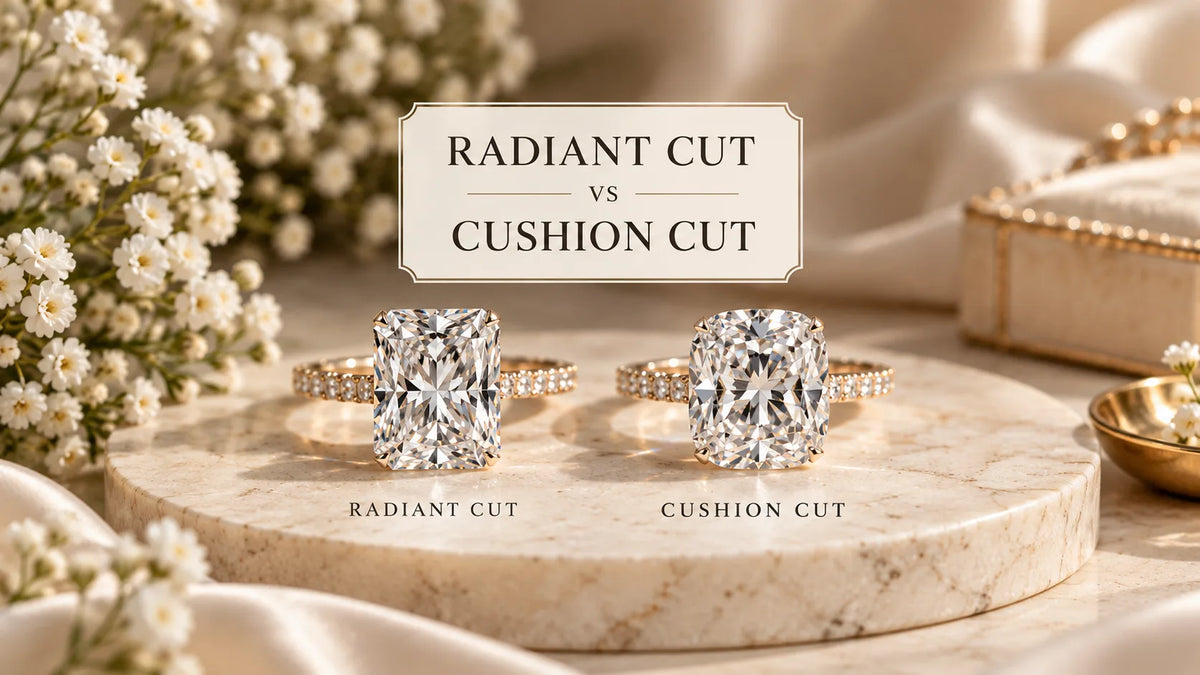
If you're weighing radiant cut vs cushion cut, you're comparing two of the most popular diamond shapes for engagement rings. A radiant cut has trimmed, angled corners and about 70 facets, so it gives off a sharp, bright sparkle and a modern look. A cushion cut has soft, rounded corners and usually about 58 facets, so it shows bigger flashes of colorful fire and a romantic feel.
Cushions often cost a little less per carat, and both hold up to everyday wear. Below, we compare sparkle, size, price, and durability to help you choose.
Explore Our Collections
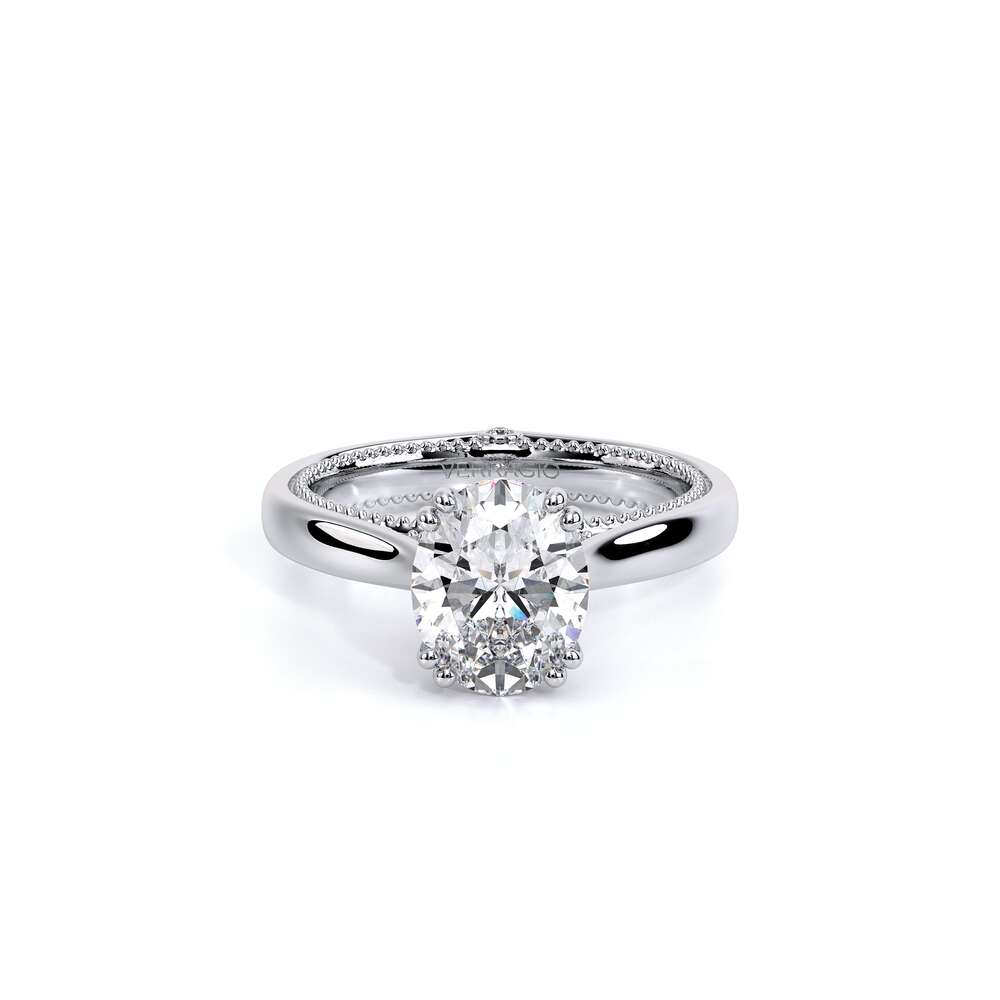
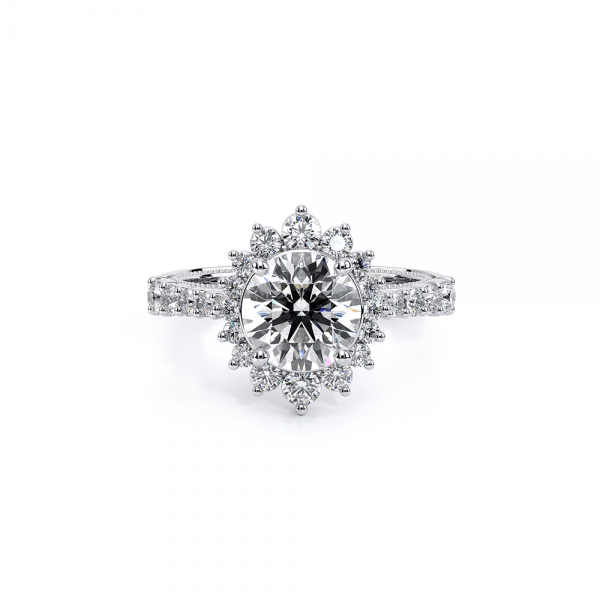
Table of contents
Radiant Cut vs Cushion Cut Diamonds at a Glance
|
Feature |
Radiant Cut |
Cushion Cut |
|
Corners |
Trimmed and angled |
Soft and rounded |
|
Facets |
About 70 |
About 58 (varies by style) |
|
Sparkle |
Crisp, bright white light |
Broad, colorful flashes or a "crushed ice" shimmer |
|
Outline |
Square or rectangle |
Square or slightly elongated |
|
Popular length-to-width ratios |
1.00 to 1.05 square, 1.20 to 1.40 rectangle |
1.00 to 1.05 square, 1.10 to 1.30 elongated |
|
Overall look |
Modern and geometric |
Romantic and vintage |
|
Hides inclusions |
Very well |
Well, |
|
Price per carat |
Lower than a round |
Often a bit lower than a radiant |
|
Great settings |
Solitaire, hidden halo, three-stone |
Halo, vintage, pavé |

What Is the Difference Between Radiant and Cushion Cut Diamonds?
The corners tell you almost everything. A radiant looks like an emerald-cut outline with its corners clipped off. A cushion looks like a pillow, with gently curved sides and rounded corners.
Their histories are different, too. Master cutter Henry Grossbard created the radiant in 1977 to blend an emerald-cut outline with a round brilliant sparkle. The cushion is much older. It grew out of the old mine cut, which was popular in the 1700s and 1800s.
A "crushed ice" cushion and a radiant face can look almost identical when face-up. If you can't tell them apart, check the corners: angled corners mean radiant, and curved corners mean cushion.
On a grading report, you'll see "cushion brilliant" or "cushion modified brilliant." The modified version has extra facets that create the crushed ice look. We stock both styles, so you can compare them in person. If you're also weighing an emerald cut, our radiant cut vs. emerald cut guide breaks that matchup down.
Which Sparkles More, Radiant or Cushion?
A radiant usually wins on pure sparkle. Its brilliant facets bounce white light back in quick, sharp flashes, a lot like a round diamond.
A cushion trades some of that brightness for fire. Fire is the rainbow color you see when the stone moves. A brilliant cushion shows larger, slower flashes. A cushion-modified brilliant breaks light into tiny pieces for a busy, glittering look.
Neither is better. Pick a radiant if you prefer crisp white light, or a cushion if you prefer flashes of color.

Radiant vs Elongated Cushion: Which Looks Bigger?
In a cushion vs. radiant cut size comparison, neither shape has a clear edge. Both carry a good share of their weight in the bottom half of the stone. That means they can look a little smaller than a round or oval of the same carat weight.
Length makes the biggest difference. An elongated radiant or elongated cushion covers more of your finger than a square one. If you're weighing elongated shapes, compare the millimeter measurements on each report, not just the carats.
With any elongated stone, look for a bow-tie. That's a dark band across the center of the diamond. A faint one is normal. A heavy one dulls the sparkle.
Cushion Cut vs Radiant Cut: Price, Color, and Clarity
Both shapes usually cost less per carat than a round brilliant of the same grade. Cutting these shapes wastes less of the rough diamond. Between the two, cushions often come in a little lower.
Color matters a bit more with these shapes because their corners can hold a hint of warmth. In white gold or platinum, a G or H color looks crisp to most eyes. In yellow or rose gold, you can go lower and save. Our diamond color guide explains why.
Clarity is more forgiving with a radiant. Its many small facets hide tiny inclusions well. A brilliant cushion has broader facets, so look a little closer, or ask us to confirm the stone is eye-clean.
You'll find both shapes in lab-grown diamonds and natural diamonds. The loose radiant and cushion diamonds we carry come with IGI or GIA grading reports, so you can check every grade yourself.
Read our IGI vs GIA guide to see how the two labs differ.

Which Shape Is More Durable?
When it comes to everyday wear, the cushion cut vs. the radiant cut is close to a tie. Neither shape has a sharp point. The radiant's trimmed corners protect it far better than a princess cut's square corners. The cushion's rounded corners are just as tough.
Four prongs hold either shape securely. If you work with your hands, a bezel setting wraps the edge in metal for extra protection. For more on everyday wear, see whether diamonds can get scratched.
Radiant vs Cushion Cut: Which Should You Choose?
In our showroom, couples usually make the cushion cut vs. the radiant cut choice based on style.
Choose a radiant if you:
Love bright, crisp sparkle.
Prefer clean lines and a modern look.
Want a shape that shines in a solitaire or three-stone setting.
Want a little more wiggle room on clarity.
Choose a cushion if you:
Love colorful fire and a softer outline.
Lean toward vintage or romantic designs.
Plan on a halo engagement ring.
Want a bit more size for your budget.
Browse our cushion-cut engagement rings, or let us build a custom engagement ring around either shape.
Frequently Asked Questions
Is A Cushion Cut Cheaper Than A Radiant Cut?
Often, yes. Cushions usually cost a little less per carat than radiants of the same grade. Still, color and clarity move the price far more than shape does.
Do Radiant and Cushion Cuts Come in Lab-Grown Diamonds?
Yes. We carry both shapes in lab-grown and natural diamonds, each with an IGI or GIA report.
Which Is Better For A Halo Setting?
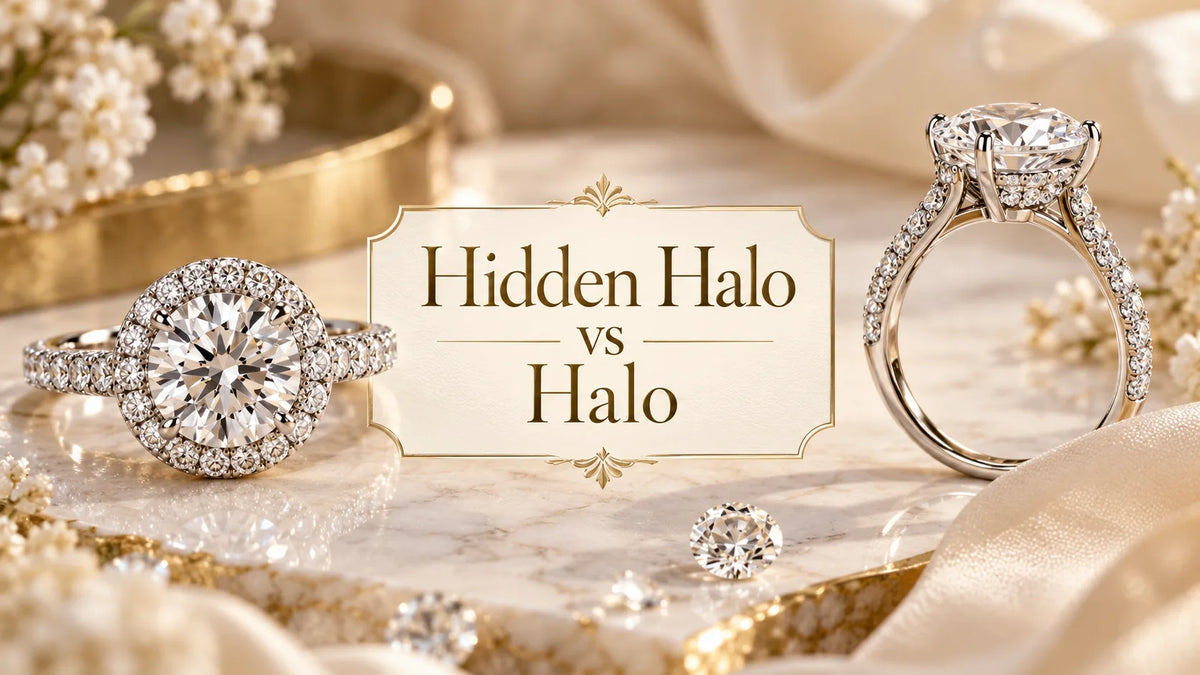
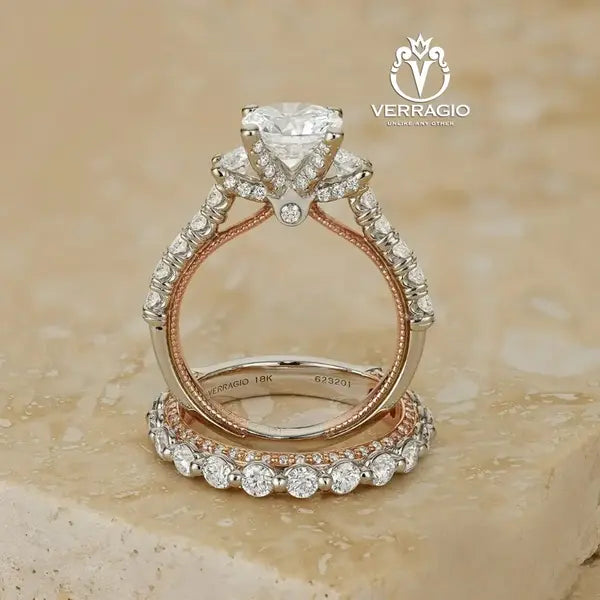
A cushion is the classic halo choice, since the halo follows its soft curves for a vintage look. For a radiant face, a hidden halo adds sparkle underneath and keeps the clean outline in view.
See Both Shapes at Miro Jewelers
The best way to settle the radiant vs. cushion-cut diamond question is to see both on your hand. Once you see the difference between radiant and cushion-cut diamonds in person, it's much easier to tell which one you prefer.
Visit us at 6750 S Emporia St, Centennial, CO 80112, or call 303-393-8881. You can also book an appointment, and we'll have radiant and cushion diamonds ready to compare side by side.