

Filters
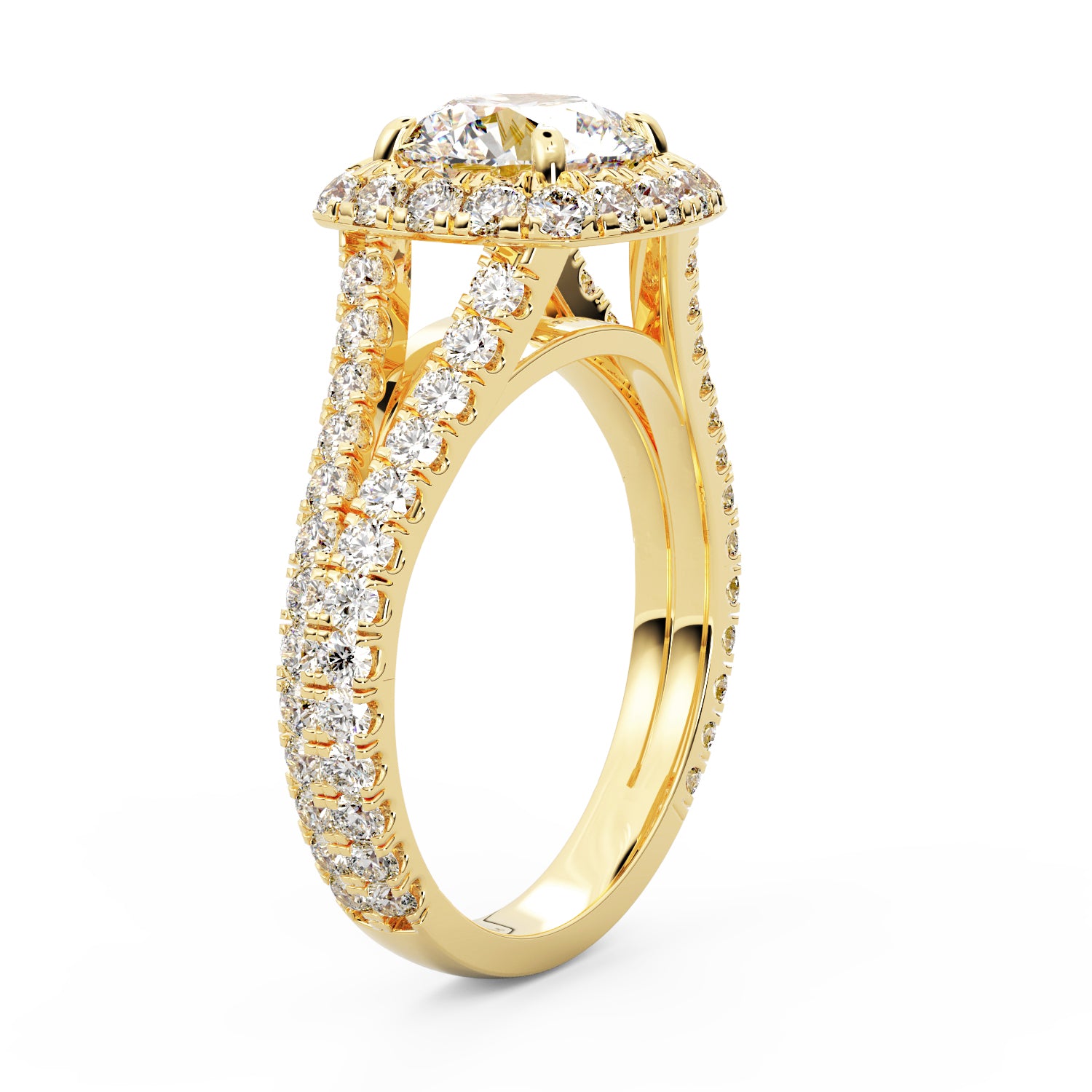
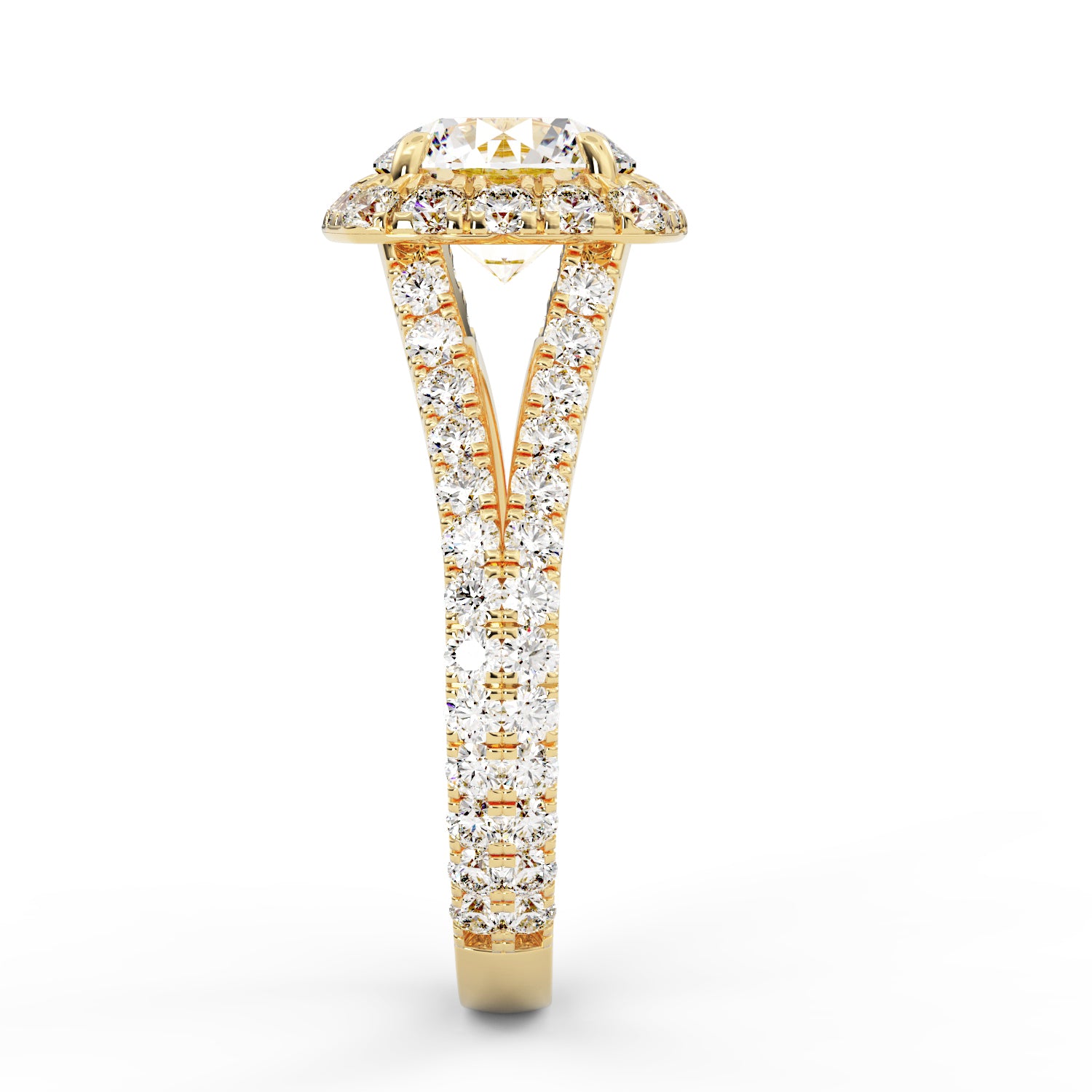
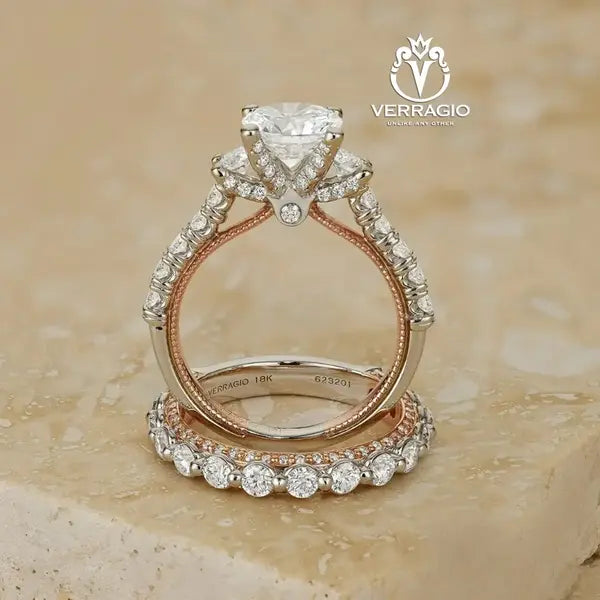
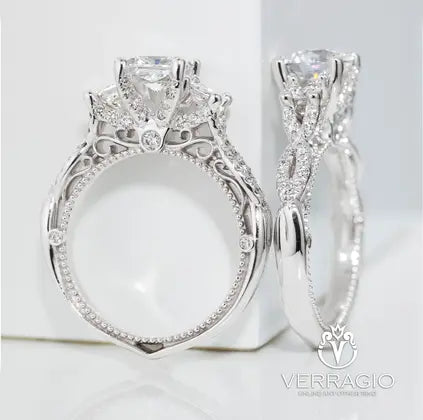
Diamond Split Shank with Cushion Halo Engagement Ring
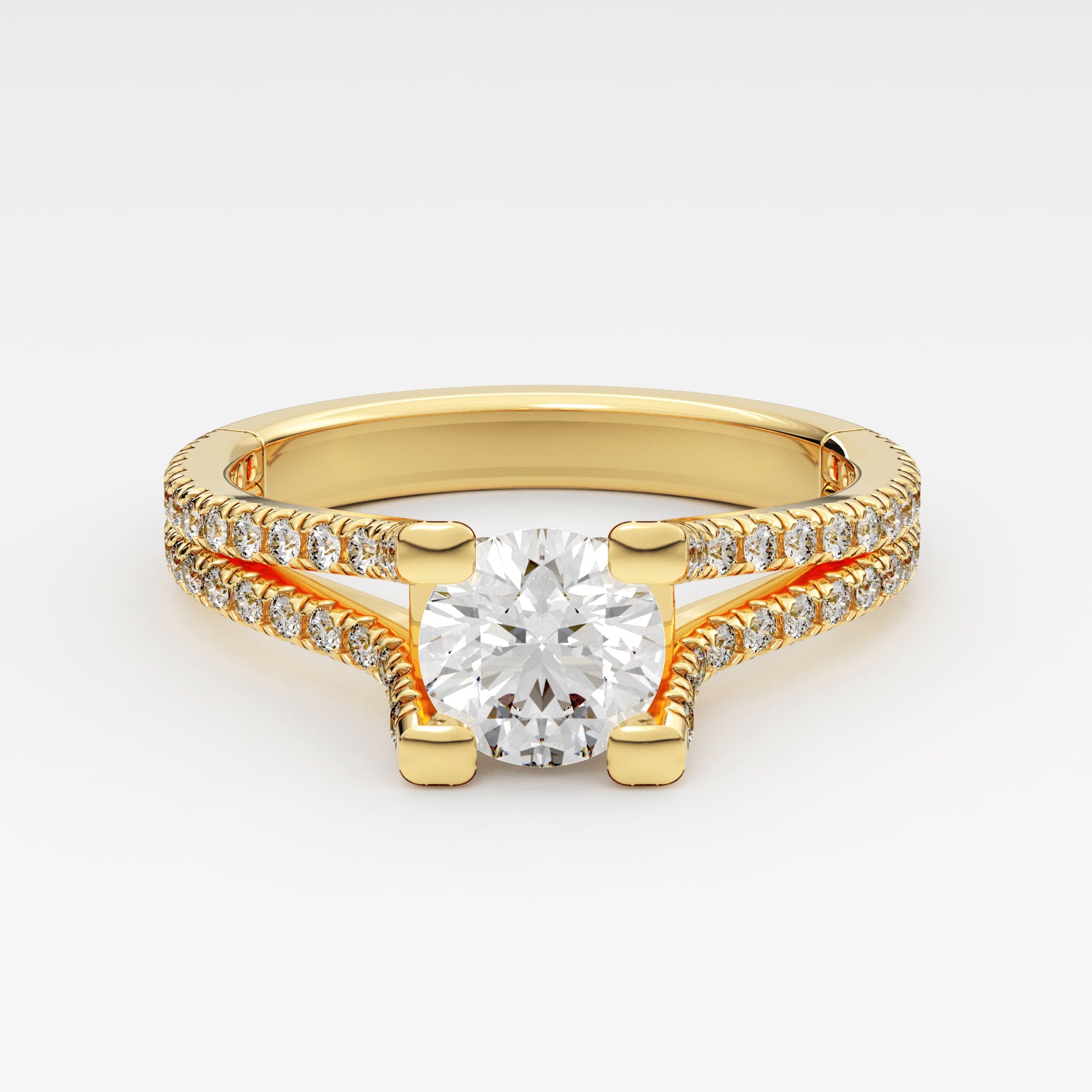
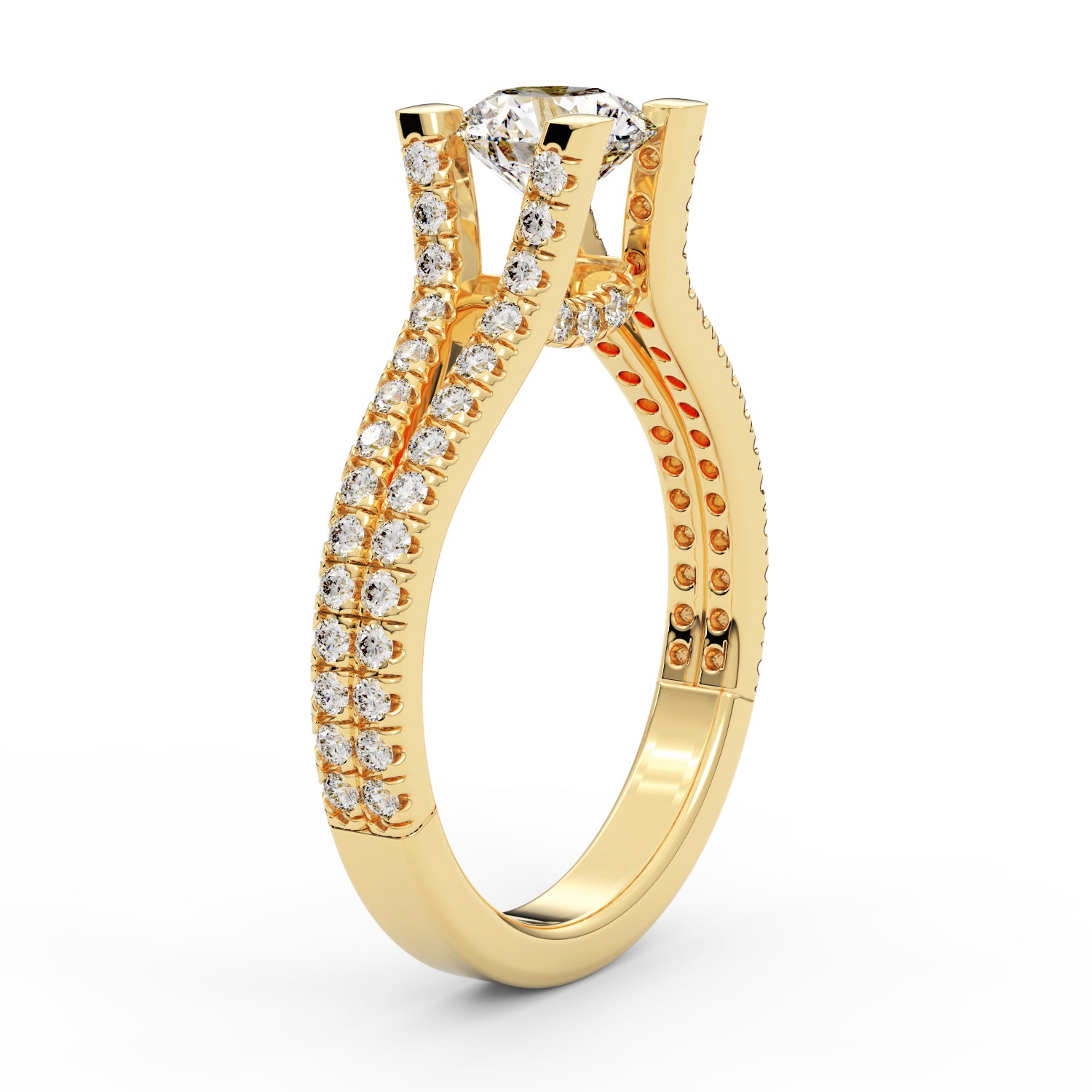
Split Shank Diamond Engagement Ring
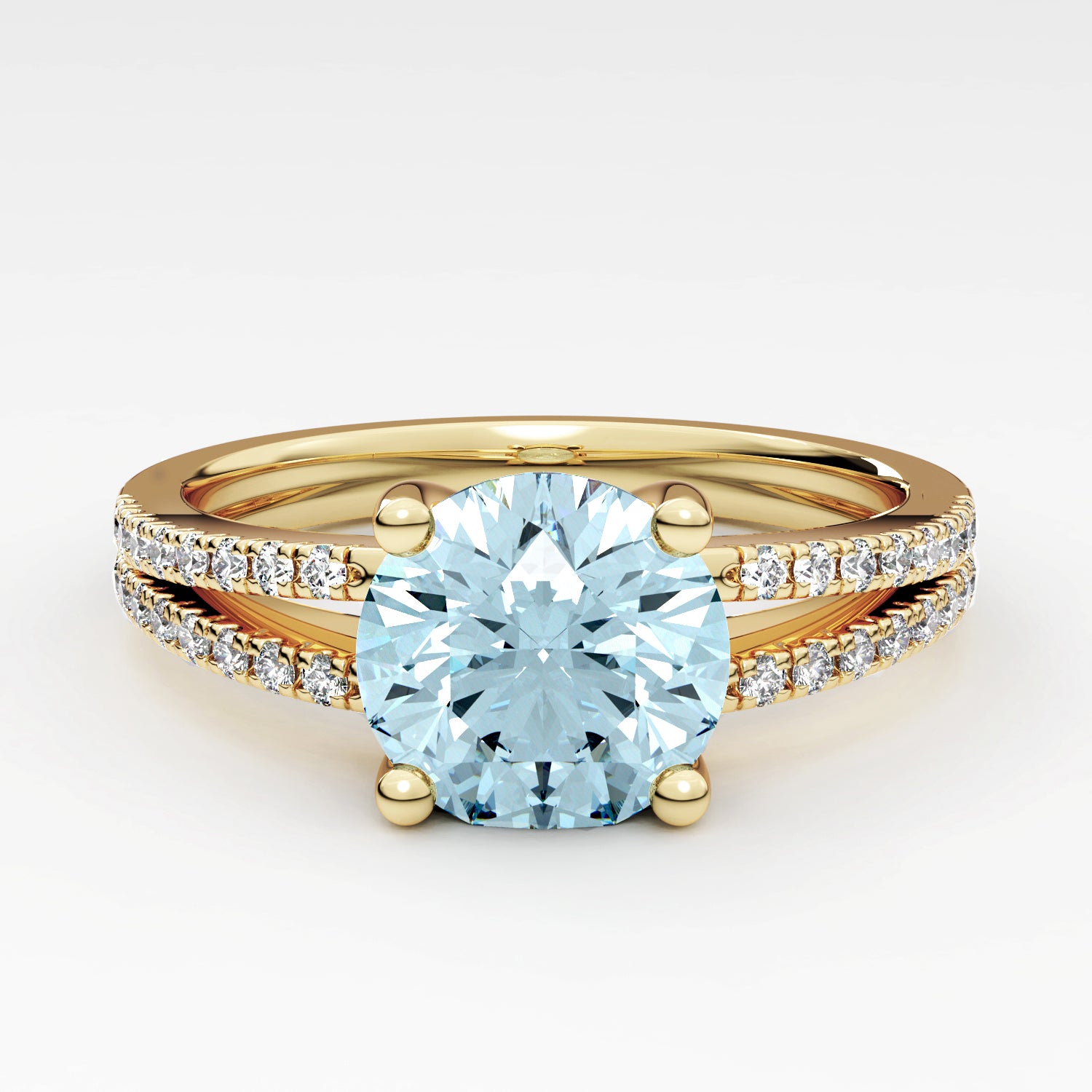
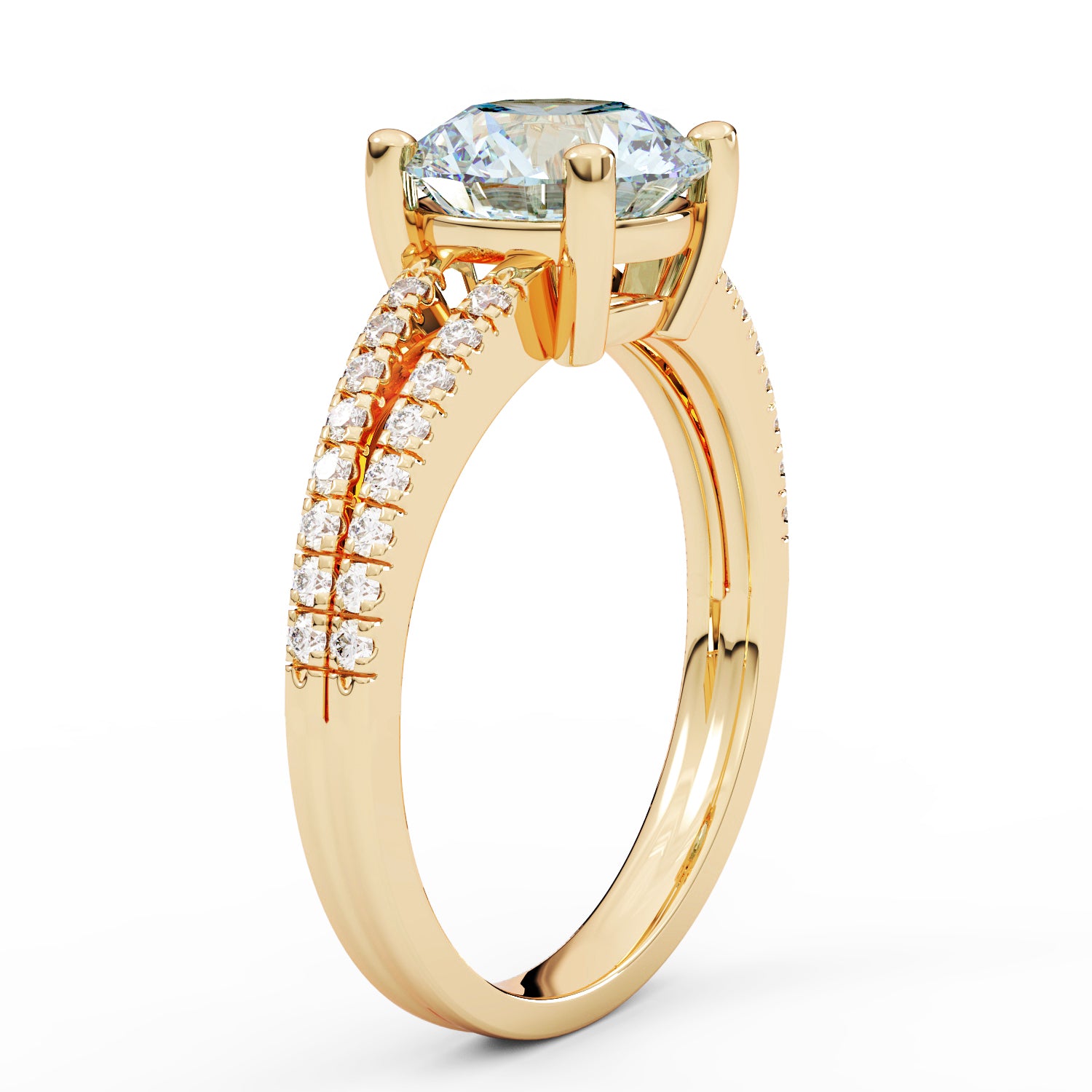
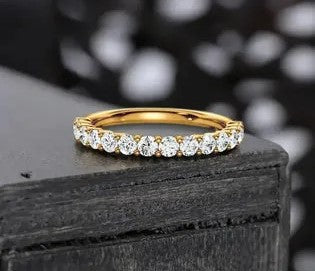
Aquamarine and Diamond Split Shank Fashion Ring
What Is a Split Shank Engagement Ring?
The band of a split shank engagement ring splits into two (or more) distinct lines as it gets closer to the center stone, resulting in an elegant frame and open space. This design can be delicate and minimal or richly detailed with pavé diamonds, engravings, or mixed textures. Many people choose this style because the split band helps the center diamond stand out and can add visual width without making the ring feel bulky.
Split Shank Styles & Variations
Split shank rings come in several distinct styles, each creating a different visual impact:
Subtle Split:
The band divides just before reaching the center stone, creating a gentle frame. This style keeps the focus on the diamond while adding just a touch of architectural detail.
Dramatic Split:
The band splits halfway down or earlier, creating bold negative space and a statement look. Perfect if you want maximum visual impact.
Pavé-Lined Split:
Diamonds line both split bands, adding serious sparkle and drawing the eye toward the center stone. This style maximizes brilliance.
Twisted Split:
The bands twist or intertwine as they split, adding romantic movement and dimension. Great for a softer, more organic feel.
Cathedral Split:
An elevated center stone sits on graceful arches that split at the shoulders. This combines height with the split shank detail for a regal, elegant look.
Split Shank Vs. Traditional Bands
Understanding how split shanks compare to other styles helps you make the right choice:
Split Shank vs. Solitaire Bands:
Traditional solitaires keep the focus purely on the center stone with a simple, unbroken band. Split shanks add architectural interest and can make the same-size diamond appear larger due to the framing effect.
Split Shank vs. Halo Settings:
Halos surround the center stone with small diamonds for maximum sparkle. Split shanks frame the stone with negative space and band detail, creating a more modern, less traditional look.
Split Shank vs. Pavé Bands:
Full pavé bands line the entire shank with diamonds. Split shanks can incorporate pavé along the split sections while still maintaining that distinctive divided look.
Best for: Couples who want something between a simple solitaire and a heavily detailed setting—split shanks offer visual interest without overwhelming the center stone.
Best Diamond Shapes for Split Shank Rings
While any diamond shape can work beautifully with a split shank, certain pairings are especially popular:
-
Round Brilliant: The most classic choice. The split band adds modern flair to this timeless shape while enhancing its sparkle.
-
Oval: The elongating effect of an oval pairs perfectly with the vertical lines created by the split, making fingers appear longer and more elegant.
-
Cushion Cut: This romantic, vintage-inspired cut gets a contemporary update when set in a split shank, balancing old-world charm with modern design.
-
Emerald Cut: Clean, sophisticated lines look stunning framed by a split shank. The geometric precision of both the cut and the band creates a cohesive, architectural look.
-
Pear: The split can mirror the pear’s natural taper, creating a harmonious flow from band to stone.
The split band helps frame the center stone regardless of size, so both modest and larger stones can look impressive, depending on how bold you want your ring to appear.
Best Metal Settings for Split Shank Rings
Your metal choice affects both the aesthetic and how the split shank detail reads:
-
Platinum & White Gold: These metals give a sleek, modern look and make diamonds appear brighter. The cool tone emphasizes the architectural lines of the split.
-
Yellow gold: Offers coziness and a timeless, classic vibe. The contrast between the metal and a white diamond can make both elements pop.
-
Rose Gold: Provides warmth with a romantic, vintage feel. Gorgeous with colored gemstones and white diamonds.
-
Mixed Metals: Some designs incorporate two metal colors—for example, white gold prongs with a rose gold band—though this is less common and works best with intentional design.
The best metal for you depends on your skin tone, your style preferences, and how you want the diamond or gemstone color to appear against the band. We’re happy to guide you through the options.
How Split Shank Settings Enhance Your Diamond?
A split shank setting can make your center diamond appear larger for several reasons:
-
Visual Framing: The open bands draw the eye inward and create a border that emphasizes the stone’s presence.
-
Increased Sparkle: When the split bands feature pavé diamonds, they create a bright outline that makes the center stone pop.
-
Negative Space: The gap between the split bands creates contrast that makes the diamond stand out more prominently.
-
Finger Coverage: The split design covers more of your finger, creating an overall visual impact that makes the entire ring, including the center stone, feel more substantial.
This effect is especially noticeable in styles where the split bands are set with pavé diamonds or in designs with a wider, more dramatic split.
Pairing Your Split Shank Ring with a Wedding Band
Split shank rings offer several wedding band pairing options:
-
Contoured/Curved Bands: Custom-fitted bands that nestle into the split, sitting flush against your engagement ring. This creates a seamless, coordinated look.
-
Straight Bands with a Gap: Wear a classic straight band with a small intentional space between it and your engagement ring. This modern approach lets each ring shine independently.
-
Chevron or Wishbone Bands: V-shaped bands that mirror or complement the split’s angular lines, creating visual harmony.
-
Thin Stacking Bands: Layer multiple delicate bands on either side of your engagement ring for a curated, personalized stack.
-
Separate Hands: To give each piece its own space, some people choose to wear the wedding band on one hand and the engagement ring on the other.
We’re here to help you test different pairings so your engagement ring and wedding band feel balanced and comfortable together.
Considerations When Choosing a Split Shank Ring
Like any ring style, split shanks have some practical considerations:
-
Resizing: Many split shank rings can be resized within a certain range, especially if the split starts closer to the center stone and the lower part of the band is solid. Very complex designs or rings heavily covered in diamonds around the entire band may have more limited resizing options. From the beginning, we can assist you in selecting a suitable size and style.
-
Cleaning: The space between the split bands can collect dirt, lotion, and debris more easily than a solid band. Your ring will always look its best if you regularly clean it with warm water, a gentle brush, and a mild soap.
-
Snag Factor: Depending on the design, split shanks may catch on clothing or fabric slightly more than smooth, solid bands. Well-designed rings minimize this issue with careful shaping and finishing.
-
Wedding Band Fit: Not all wedding bands pair easily with split shanks. Plan ahead for how you’ll stack your rings (see section above).
These are minor trade-offs for most wearers, but they’re worth considering based on your lifestyle and preferences.
Split Shank Ring Price Guide
Split shank rings aren’t automatically more expensive than traditional bands, but pricing depends on several factors:
-
Simpler Designs: A clean split shank with minimal detailing can be close in price to traditional solitaire bands.
-
Pavé-Heavy Designs: Rings with diamonds lining both split bands will cost more due to the additional stones and labor.
-
Band Complexity: Twisted, intricate, or heavily detailed split shanks require more craftsmanship and materials, increasing the price.
-
Center Stone: As with any engagement ring, your center diamond or gemstone is the primary price driver. The split shank itself adds moderate cost compared to the impact of stone size and quality.
Overall, you can find beautiful split shank rings across a wide price range, from accessible to luxury, depending on your preferences and budget.
How to Care for Your Split Shank Ring?
Proper care keeps your ring looking beautiful and ensures the setting stays secure:
-
At-Home Cleaning: Use warm water, mild soap, and a soft brush, gently working between the split bands and around the stones. Pay close attention to the places where the band splits up, as these spots collect trash. Rinse well and wipe dry with a soft cloth that doesn't leave lint.
-
Professional Maintenance: Regular professional inspections (every 6-12 months) allow us to check prongs, tighten any loose stones, and keep the entire ring polished and secure. This is especially important for split shank designs with multiple small diamonds.
-
Daily Wear Considerations: Remove your ring during heavy physical activity, contact sports, or tasks where it might get knocked. While well-designed split shanks are comfortable for everyday wear, protecting your ring from hard impacts extends its life.
-
Storage: To avoid scratches, keep your ring in a soft pouch or a different section of your jewelry box when not in use.
Natural Vs. Lab-Grown Diamonds for Split Shank Rings
Both natural and lab-grown diamonds look beautiful in split shank settings. Your choice depends on your priorities:
-
Natural Diamonds: With their traditional value and geological history, natural diamonds are formed over billions of years. They typically cost more but hold resale value better.
-
Lab-Grown Diamonds: Created in controlled environments with identical physical and chemical properties to natural diamonds. They offer the same beauty at 30-40% lower prices, allowing you to maximize size or quality within your budget.
-
Visual Difference: None. Lab-grown and natural diamonds are indistinguishable to the naked eye and require specialized equipment to tell them apart.
We offer options in both categories and can explain the differences in value, origin, and pricing so you can decide which feels right for you.
Why Should You Buy a Split Shank Engagement Ring From Miro Jewelers?
Choosing a ring from our collection means selecting a piece crafted with attention to both beauty and everyday wear. At Miro Jewelers, we offer split shank designs with carefully chosen diamonds and gemstones, well-finished prongs, and band designs that feel secure while still looking graceful on your hand.
Whether you prefer a vintage split shank with detailed metalwork or a clean, modern style with sleek lines, we guide you through your options, so the ring you pick feels like a true reflection of your story. We’re here to answer your questions, explain your choices clearly, and make the process feel enjoyable and straightforward.
If you’re still exploring Engagement Rings in general, we can help you compare split shank styles with solitaires, halos, and three-stone designs so you feel fully informed.
Split Shank Engagement Ring - Frequently Asked Questions
What Diamond Shapes and Center Stone Sizes Look Best With a Split Shank Ring?
Many diamond shapes look beautiful in a split shank setting, including round, oval, cushion, and emerald cuts. Both modest and larger sizes can look impressive because the split band helps frame the center stone. Oval and pear shapes particularly benefit from the vertical lines created by the split, while emerald cuts complement the architectural feel.
What Is the Best Metal for a Split Shank Engagement Ring?
Popular metals like platinum, rose gold, yellow gold, and white gold are available. The best metal for you depends on your skin tone, style preferences, and how you want the diamond color to appear against the band. Rose gold and yellow add warmth, while white metals highlight contemporary lines. We will gladly walk you through your options.
Can Split Shank Rings Be Resized Easily?
Many split shank rings can be resized within a certain range, especially if the split starts closer to the top and the lower part of the band is solid. Very intricate styles with heavy pavé or a wide split that extends far down the band may not resize as easily as simpler designs. We recommend discussing sizing with us before finalizing your choice.
Should I Choose Natural or Lab-Grown Diamonds for My Split Shank Ring?
In split shank settings, both natural and lab-grown diamonds look stunning. Your budget and priorities will determine which option is best for you. While lab-grown diamonds offer the same beauty at a lower cost and let you maximize size or quality, natural diamonds offer traditional value and geological rarity. We offer options in both categories and can explain the differences.
How Do I Maintain and Clean My Split Shank Ring?
Use a soft brush, warm water, and a mild soap to clean your ring at home. Work gently around the stones and between the split bands. Pay close attention to the spaces between the splits because they may gather debris. Regular professional inspections (every 6-12 months) help us check prongs, tighten any loose stones, and keep the entire ring polished and secure.
Are Split Shank Engagement Rings More Expensive Than Regular Styles?
Not necessarily. Simpler split shank styles can be close in price to traditional bands, while highly detailed rings with pavé diamonds along both splits will cost more due to additional stones and labor. The primary price driver is still your center stone—the split shank itself adds moderate cost compared to the impact of diamond size and quality.
Is a Split Shank Engagement Ring Comfortable for Everyday Wear?
Yes, a well-designed split shank ring is comfortable for everyday wear, with the bands shaped to sit smoothly on your finger. If you have a very active lifestyle, we can guide you toward designs with smoother edges and a lower profile that feels practical for daily use.
How Do Split Shank Rings Pair With Wedding Bands?
Split shanks offer several pairing options: contoured bands custom-fitted to nestle into the split, straight bands worn with a small gap, chevron or wishbone bands that mirror the split’s shape, or thin stacking bands layered around your engagement ring. Some people prefer wearing their rings on separate hands. We’ll help you find a stacking solution that works beautifully for your lifestyle.
Blog posts

Diamond Color Grading Chart: A Buyer's Visual Guide
Shopping for a diamond can feel overwhelming, but the diamond grading scale exists precisely to take the guesswork out of it. If you know how to read a gradin...
Read more
Are Diamonds Rare? The Truth About Diamond Rarity and Value
Are diamonds rare? That question has a more surprising answer than most people expect. A diamond sitting on your finger right now may have formed between one ...
Read more
How to Untangle a Necklace: A Step-by-Step Guide
There's a particular kind of frustration that comes from pulling your favorite necklace out of the drawer, only to find it knotted into a tight little ball ri...
Read more